

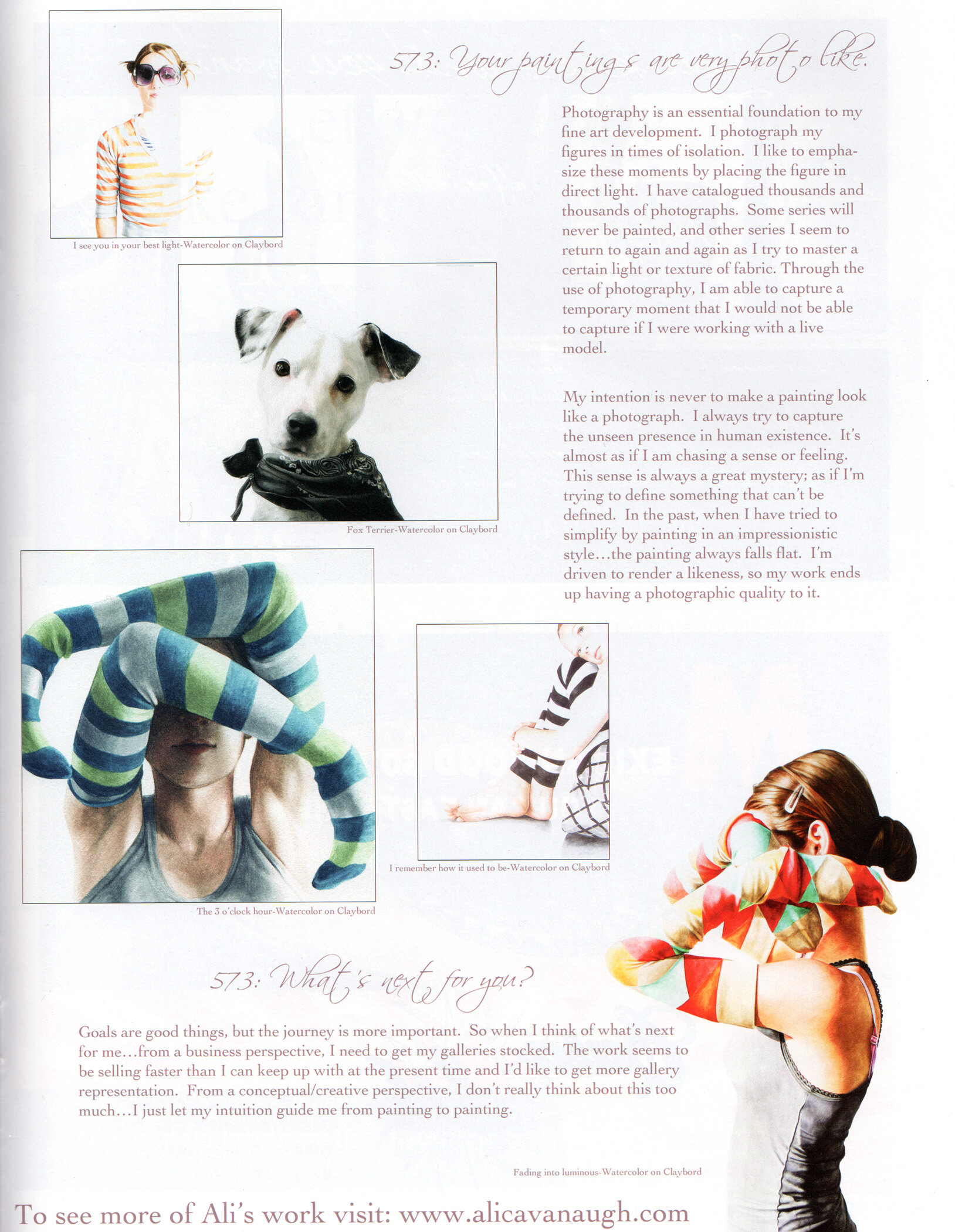
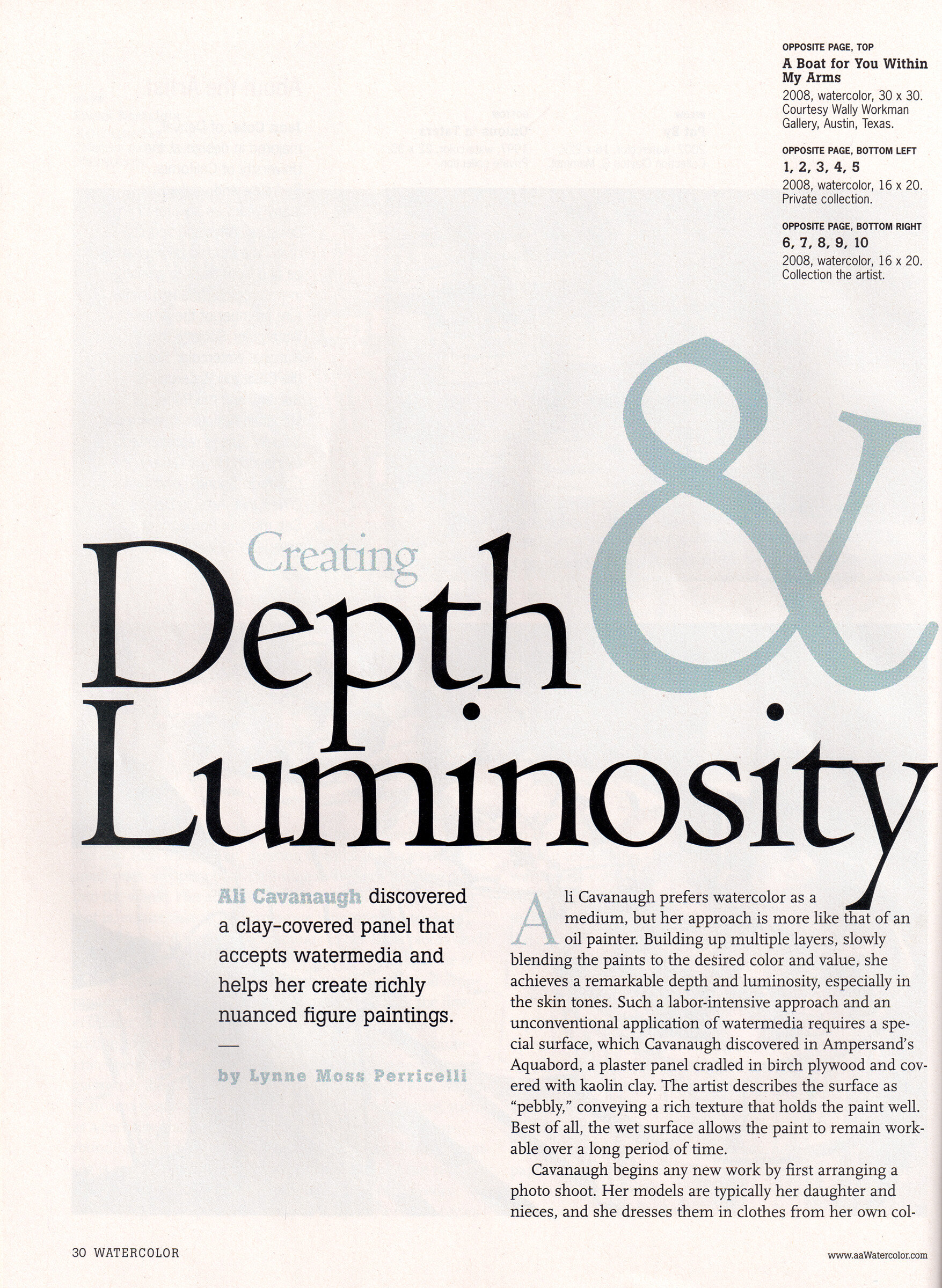
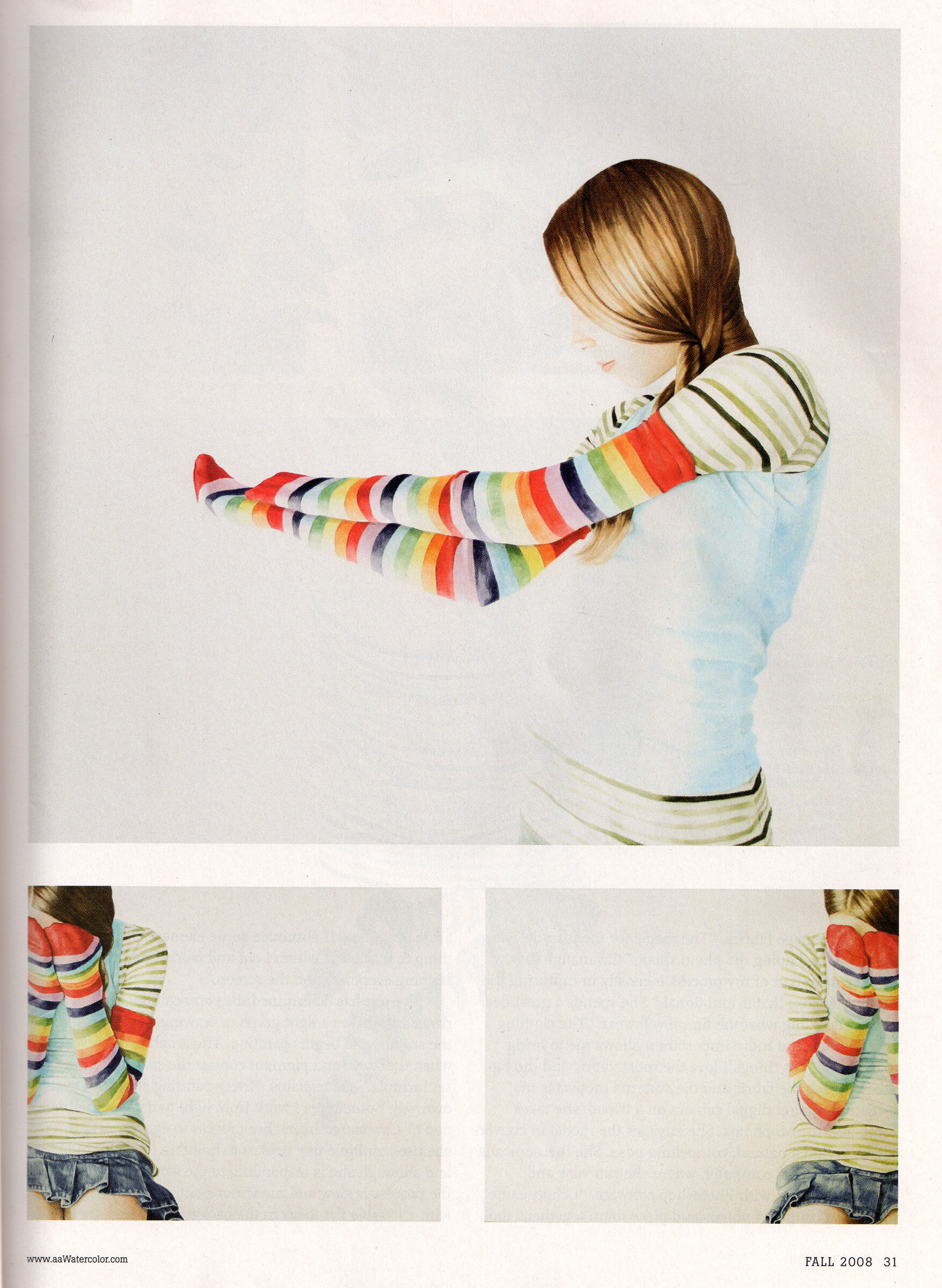
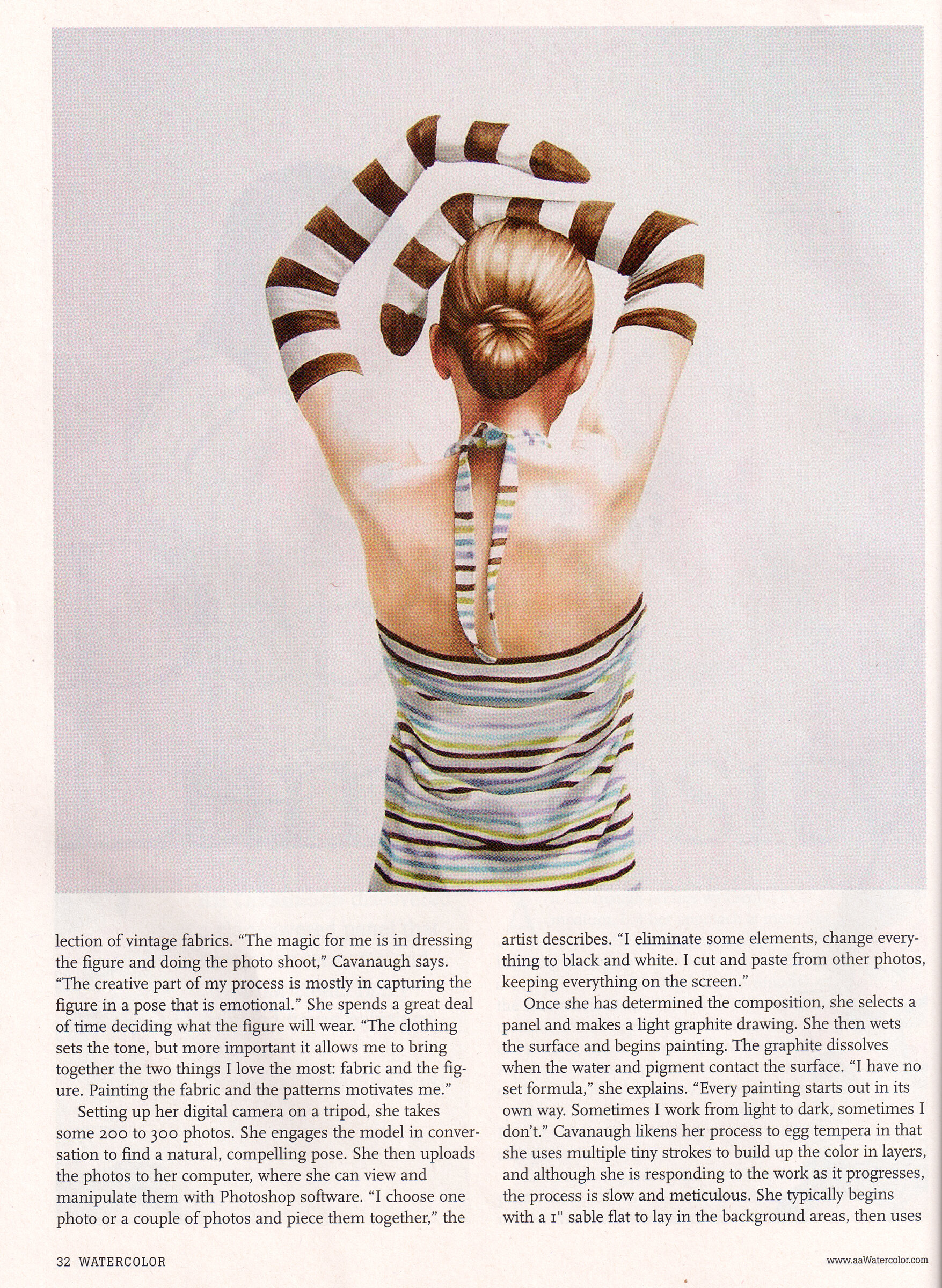
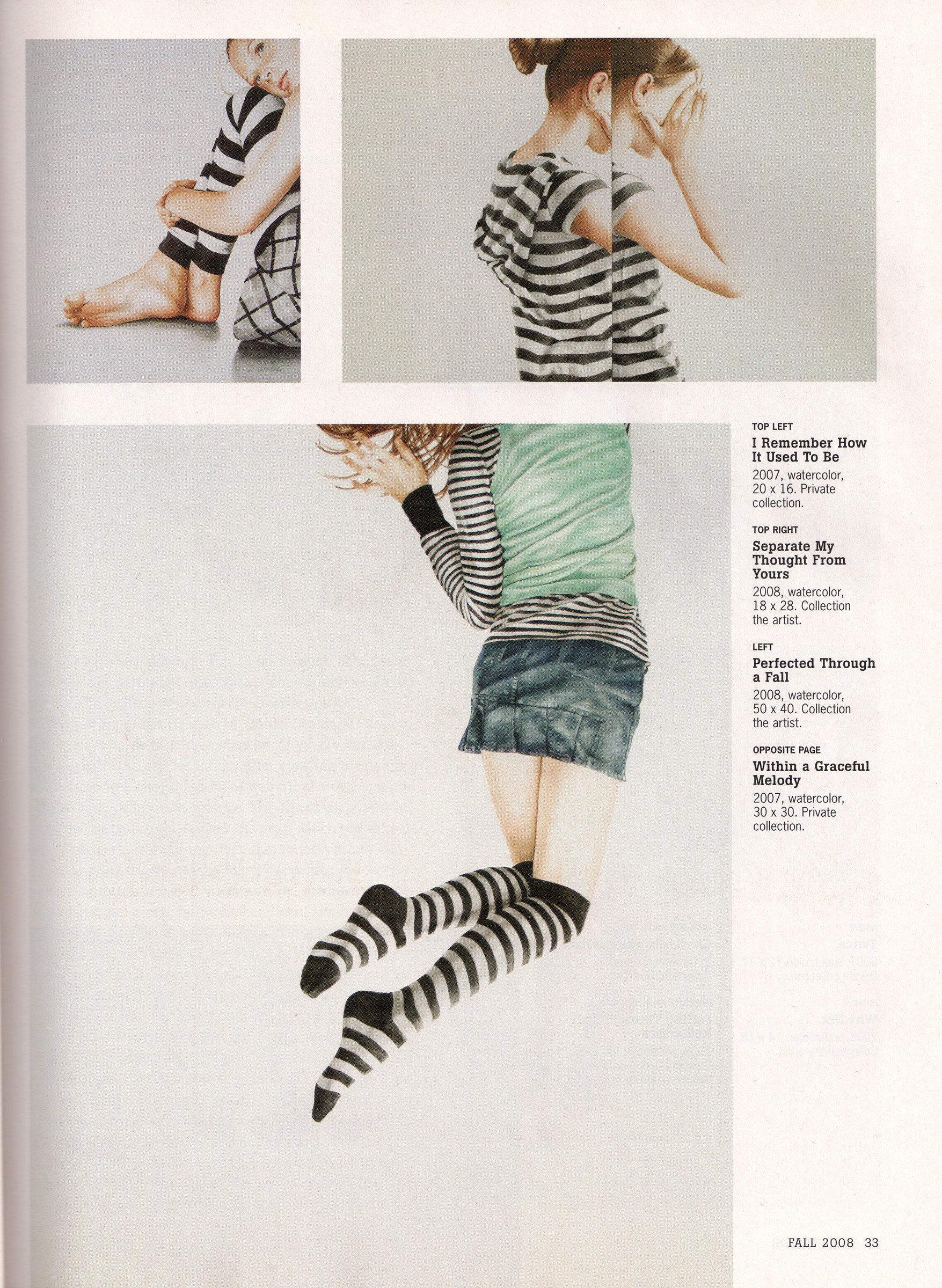
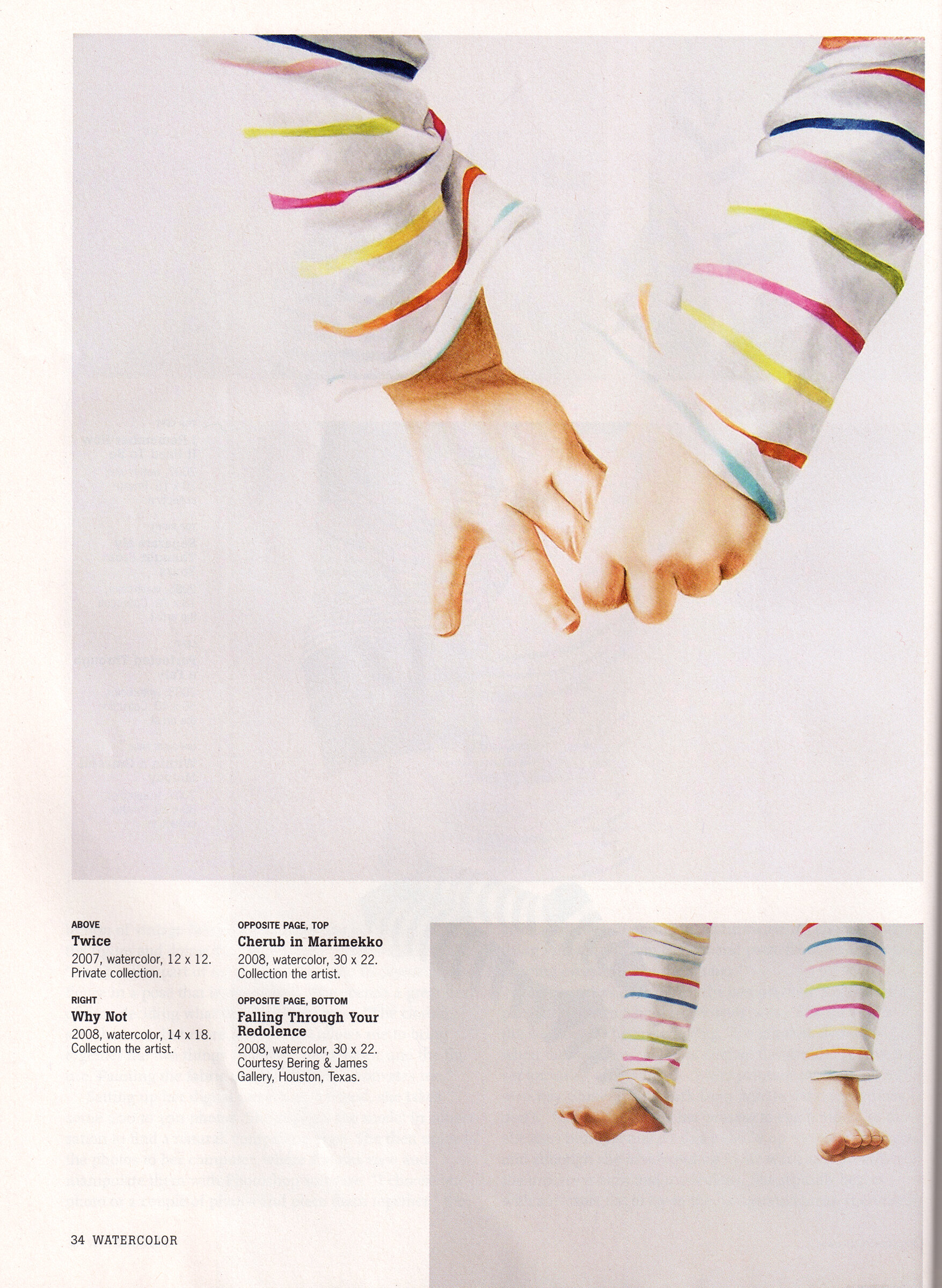
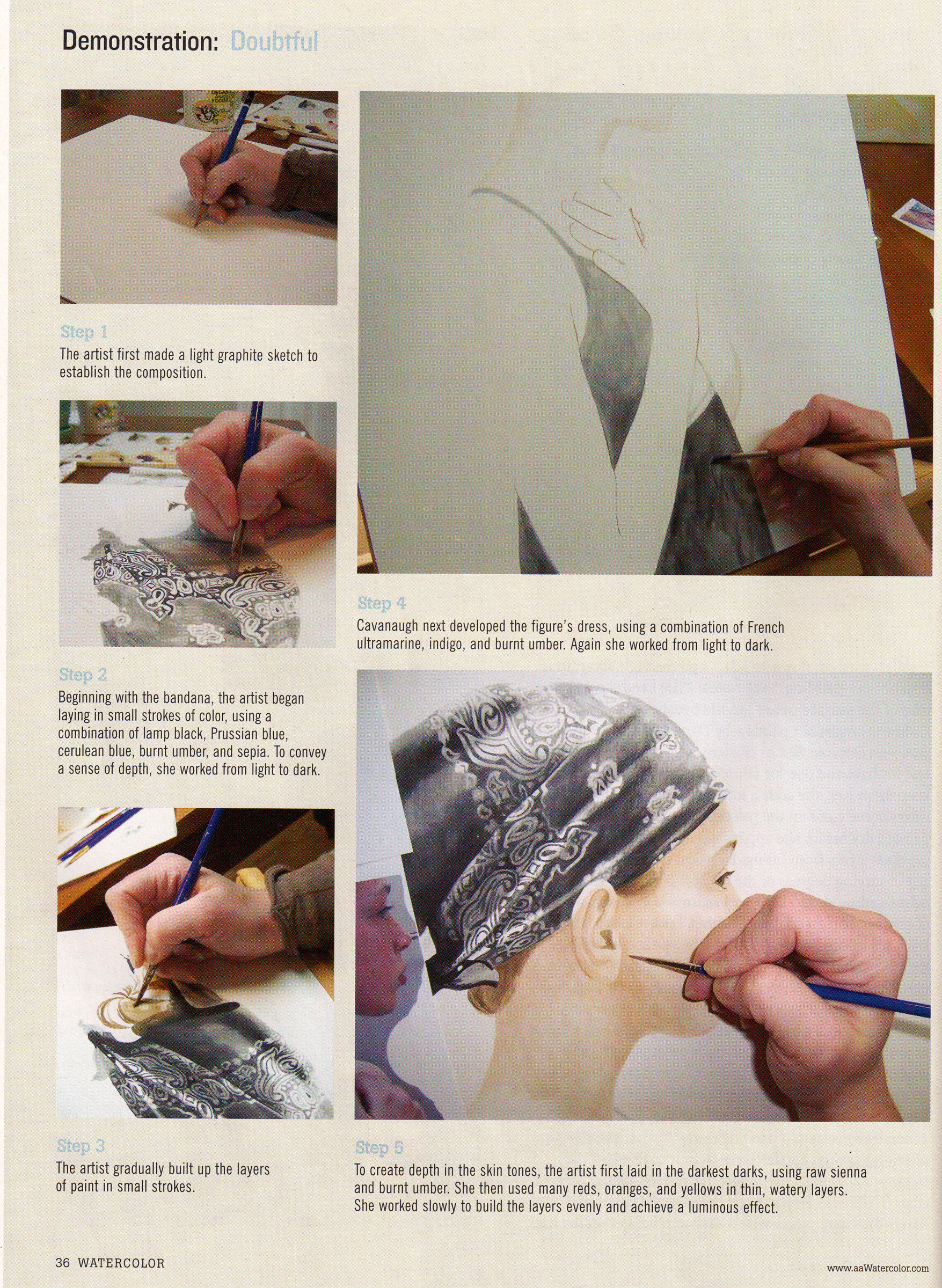
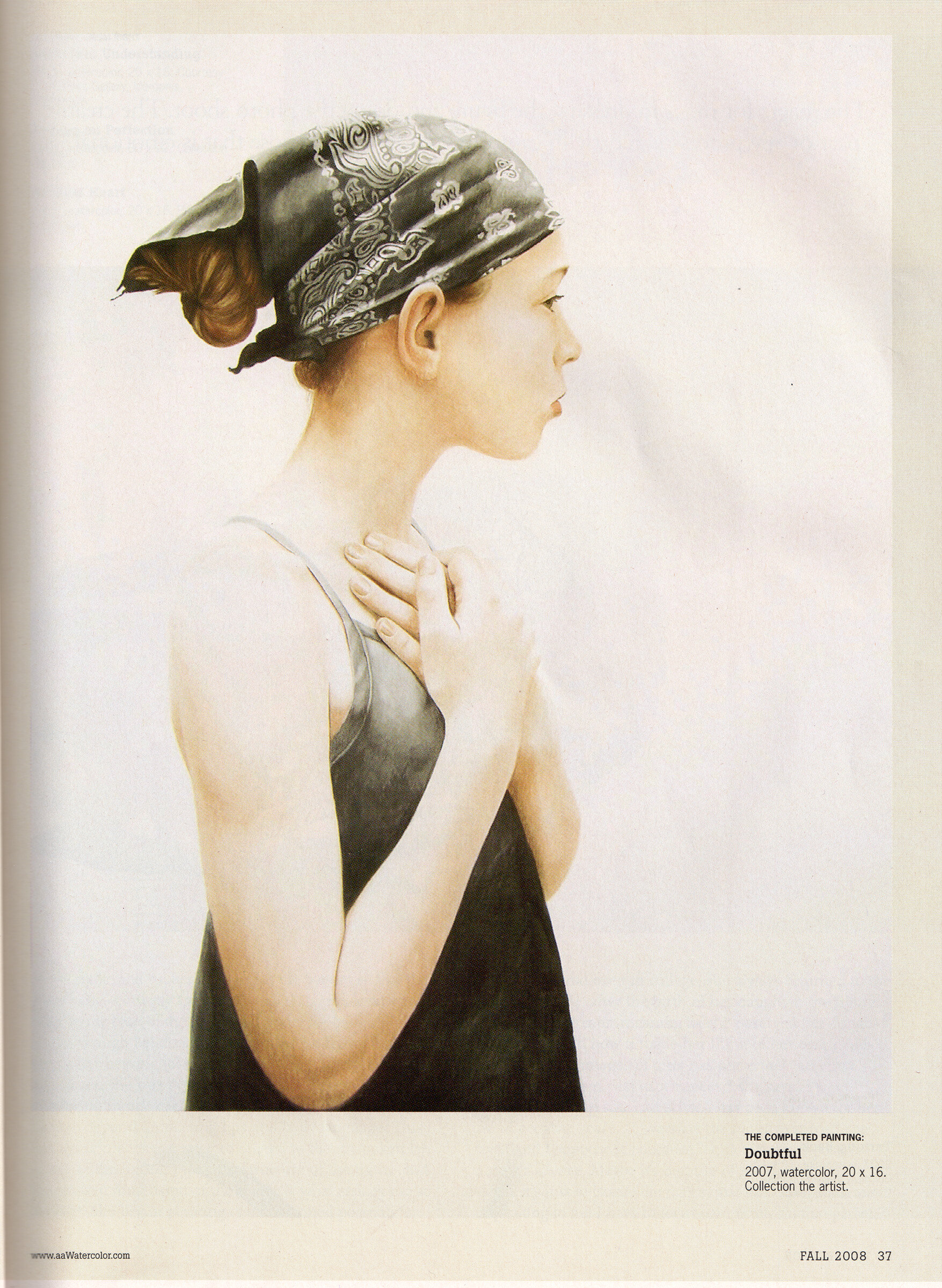

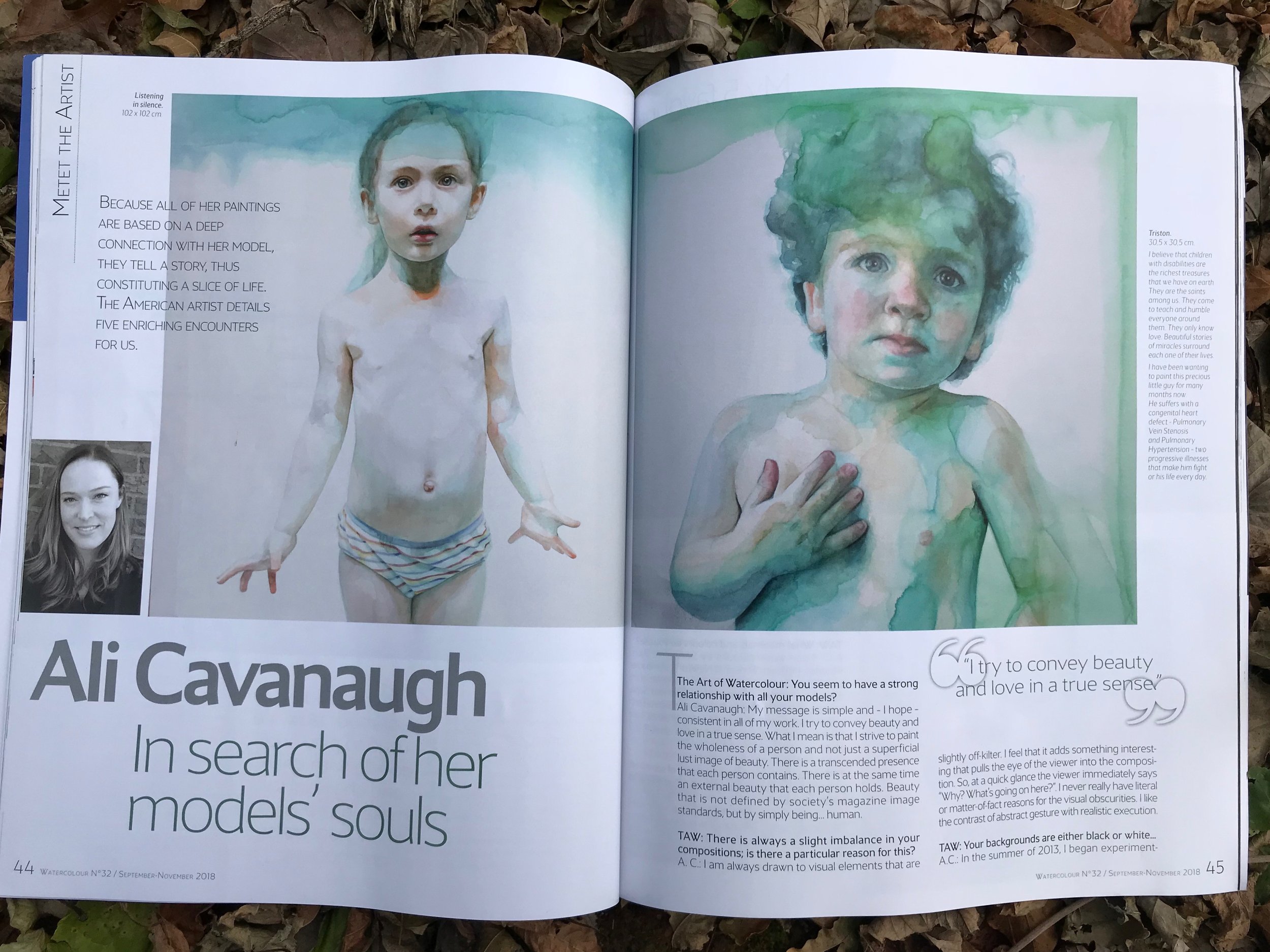
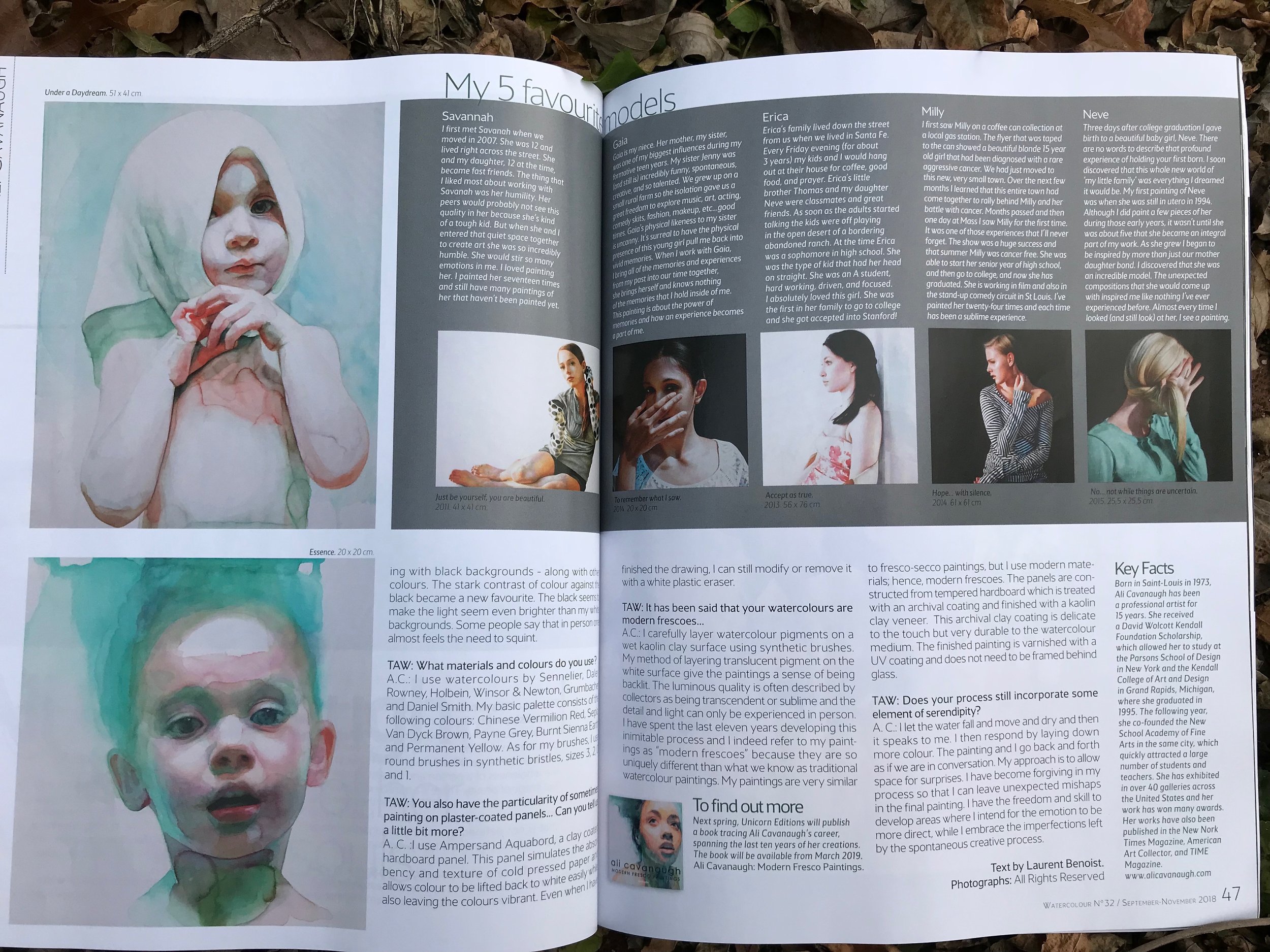
Press
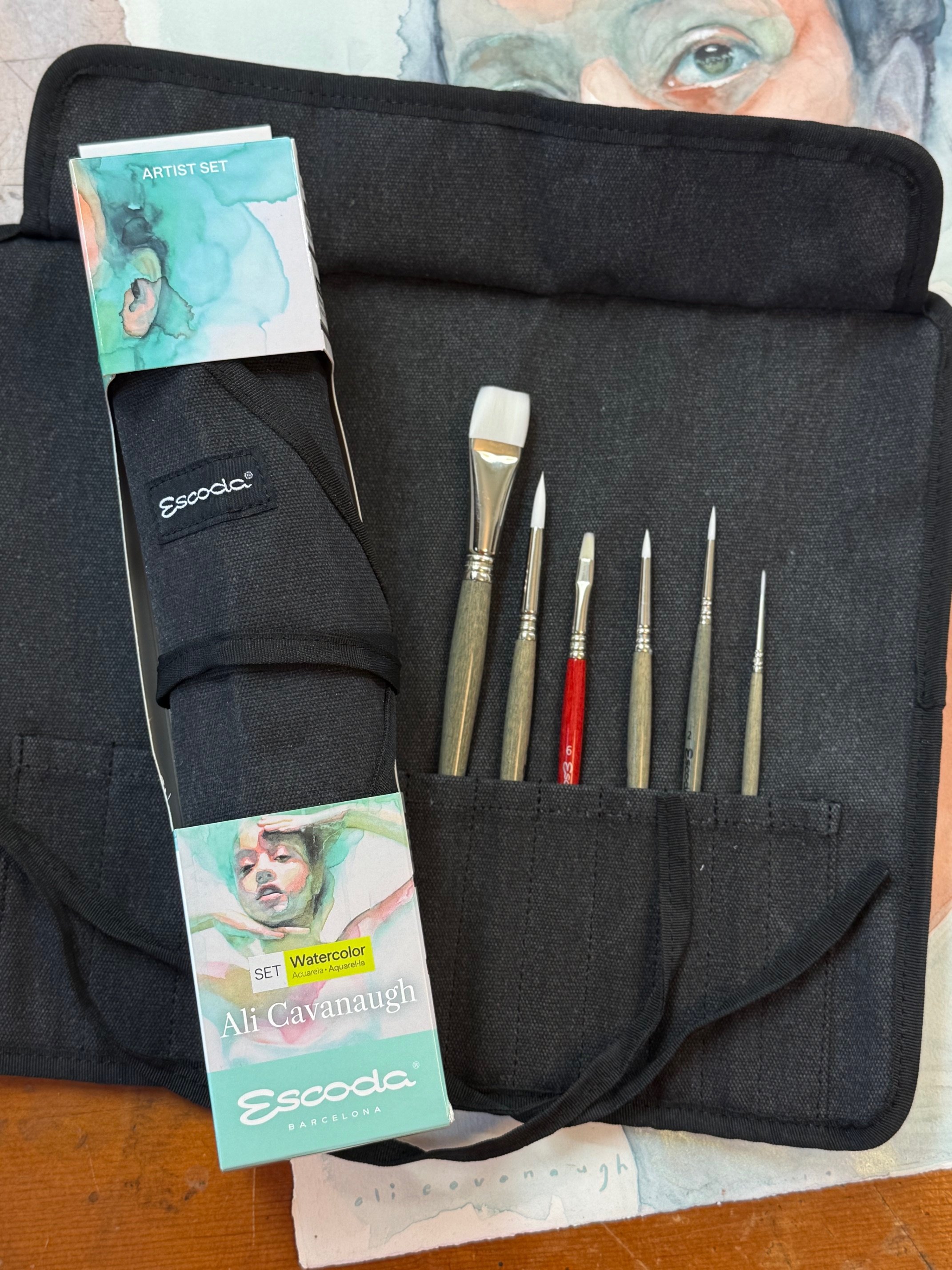
I collaborated with the renowned Barcelona brush maker Escoda to create a six-brush set that reflects the tools I reach for every day in my own painting practice. Each brush was carefully chosen for its versatility, sensitivity, and ability to hold and release water beautifully. This set is designed to support both expressive and controlled painting methods, whether you’re just beginning or deep into your practice.
PURCHASE THE SET
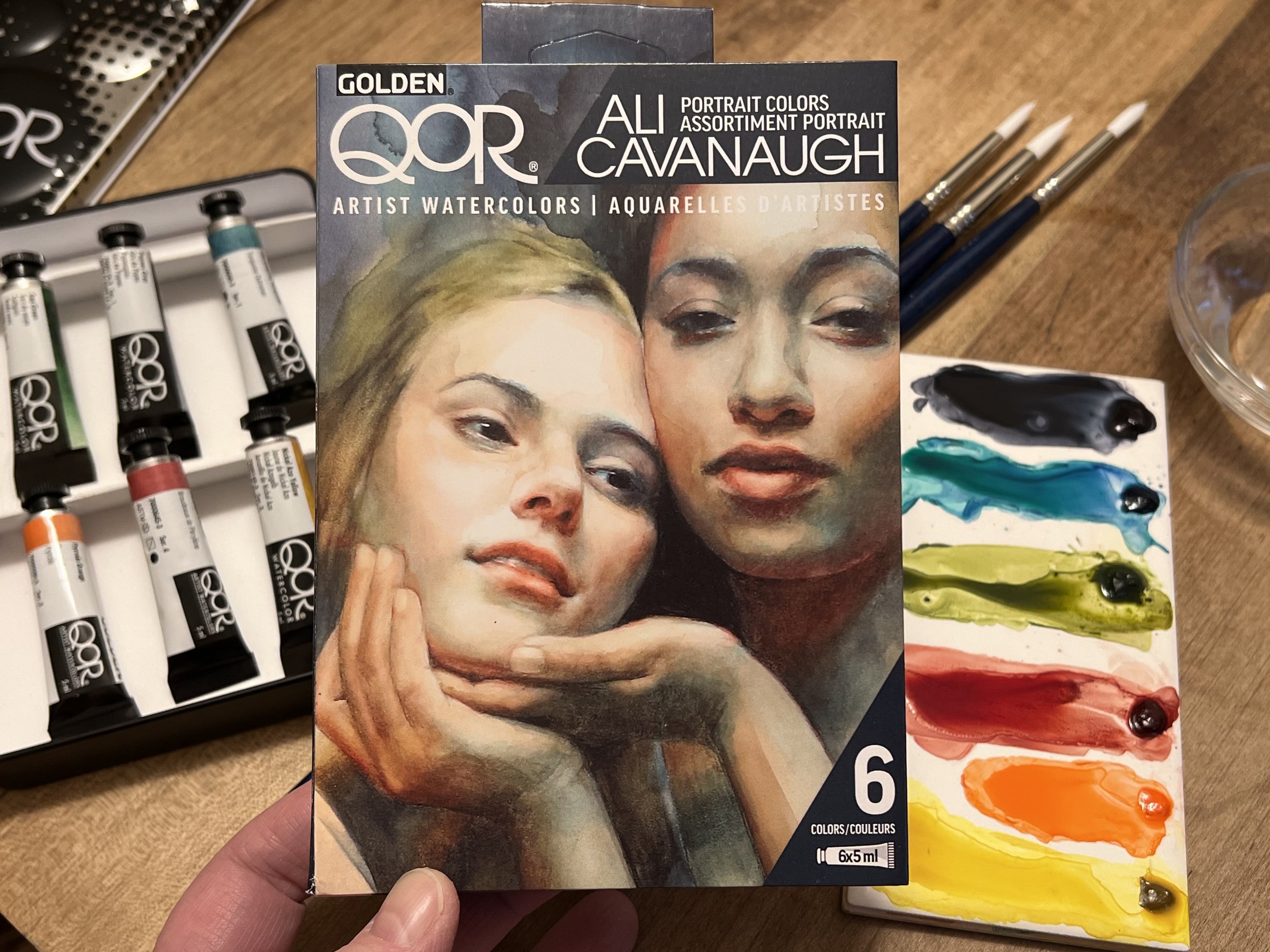
Ali Collaborates with Golden Artist Colors
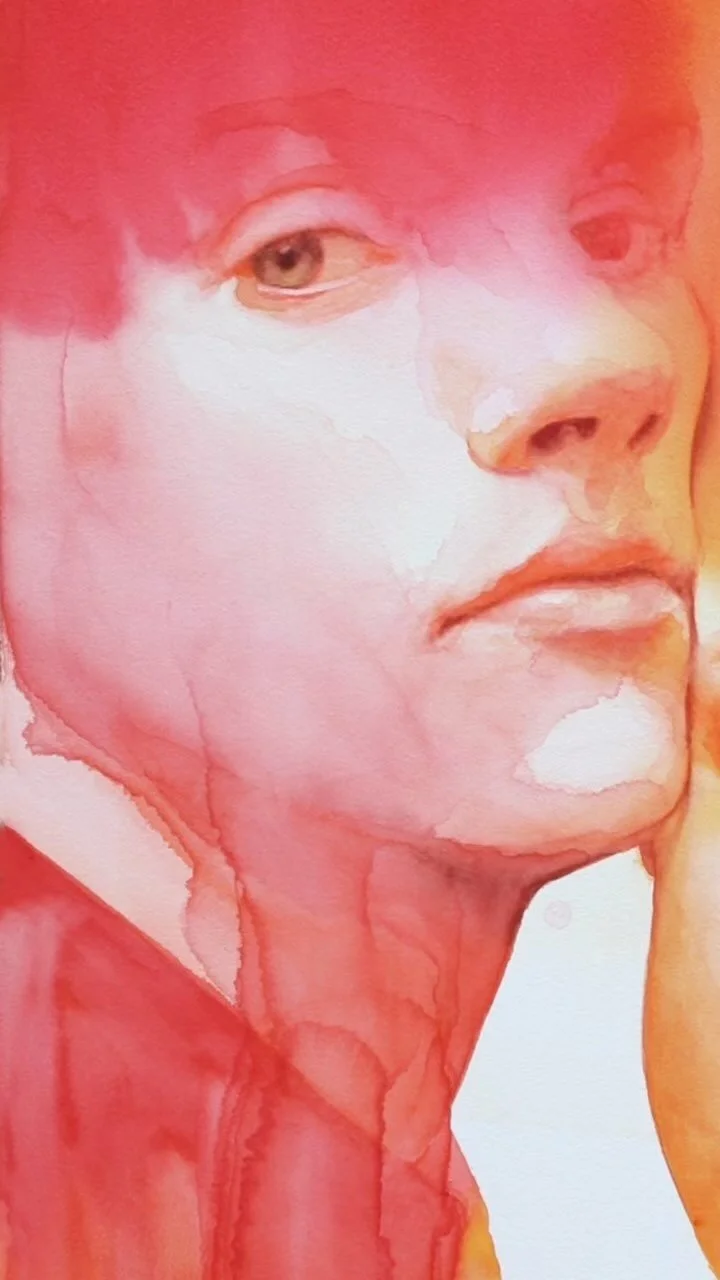
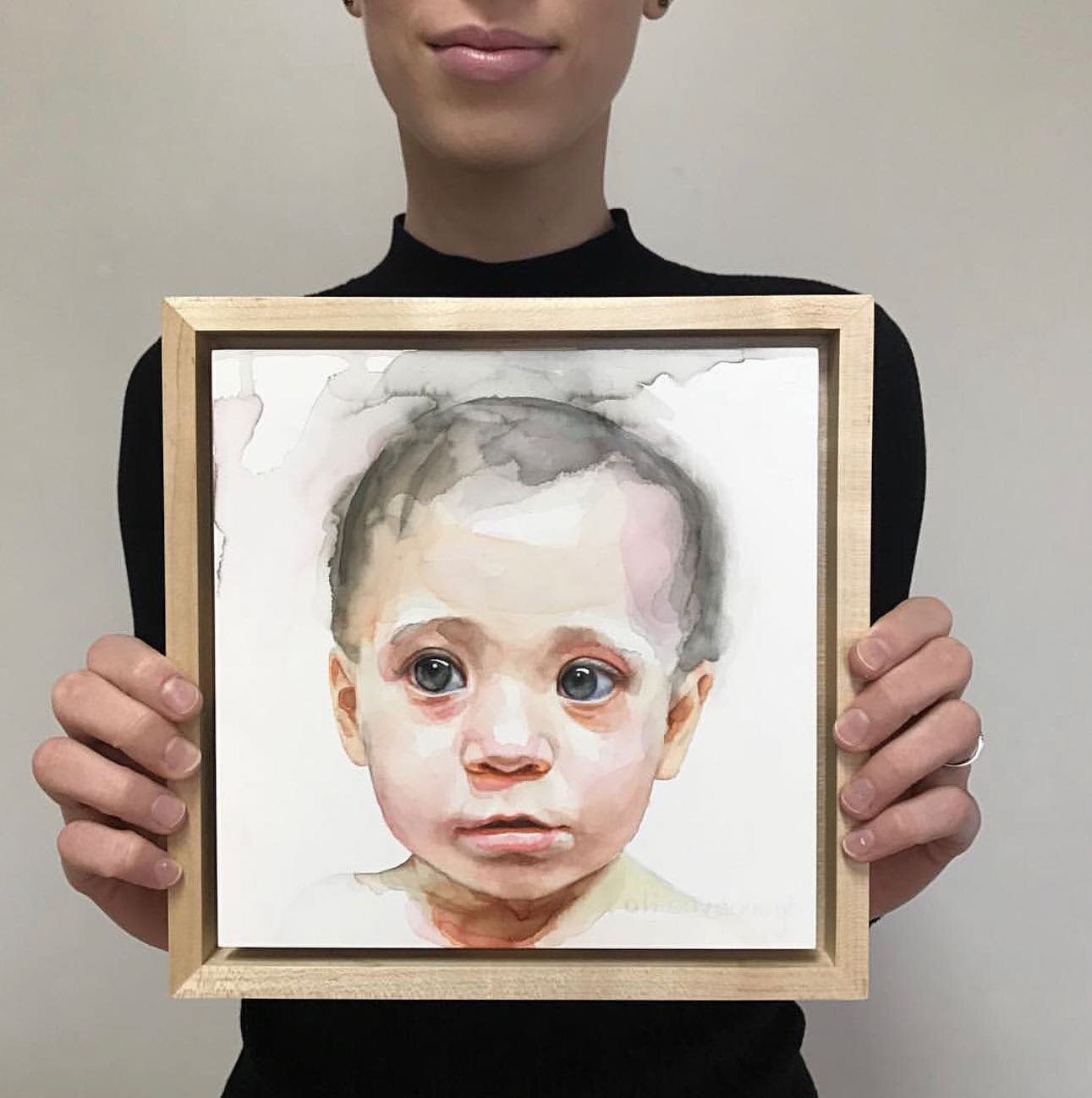
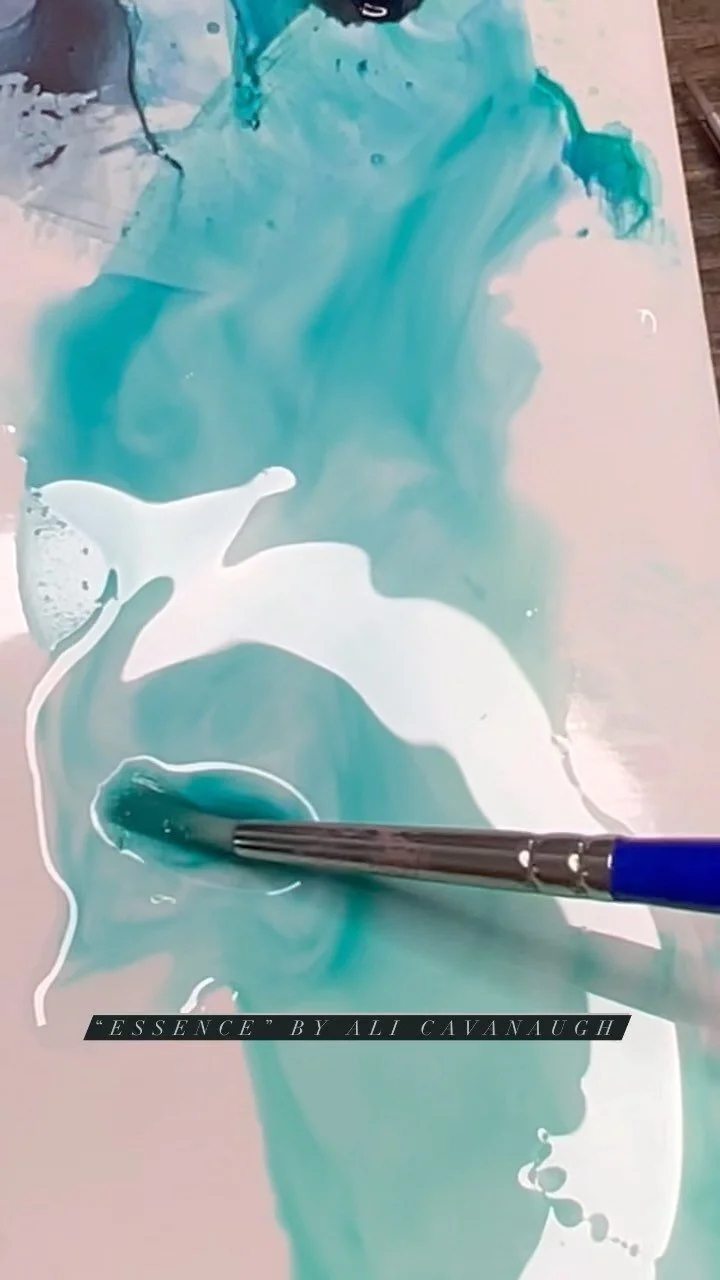
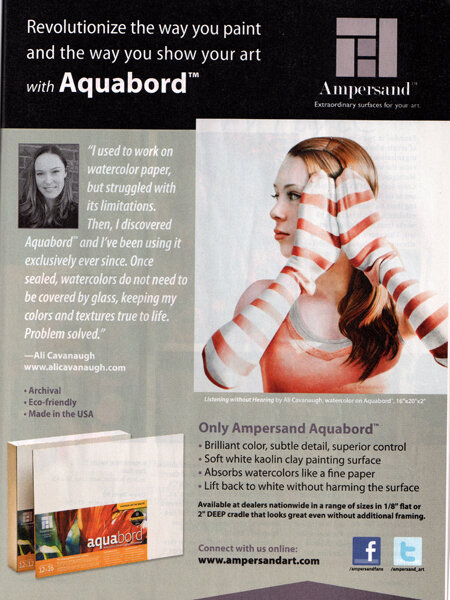
My universal skin tone palette of 6 colors is now available! I’m so excited to share that I’ve been collaborating with Golden Artist Colors for their QoR Watercolor line to produce the Ali Cavanaugh Portrait Colors! This set includes two colors, Perylene Crimson and Ultramarine Turquoise, that Golden developed specifically for my portrait set. Here is my affiliate link to purchase the 6 color portrait set. (I may earn a commission). Here also is the link for the watercolor surface used for the paintings featured in this video. If you try the colors out, send me a message and let me know what you think!
Purchase the Portrait Set Online Course Here


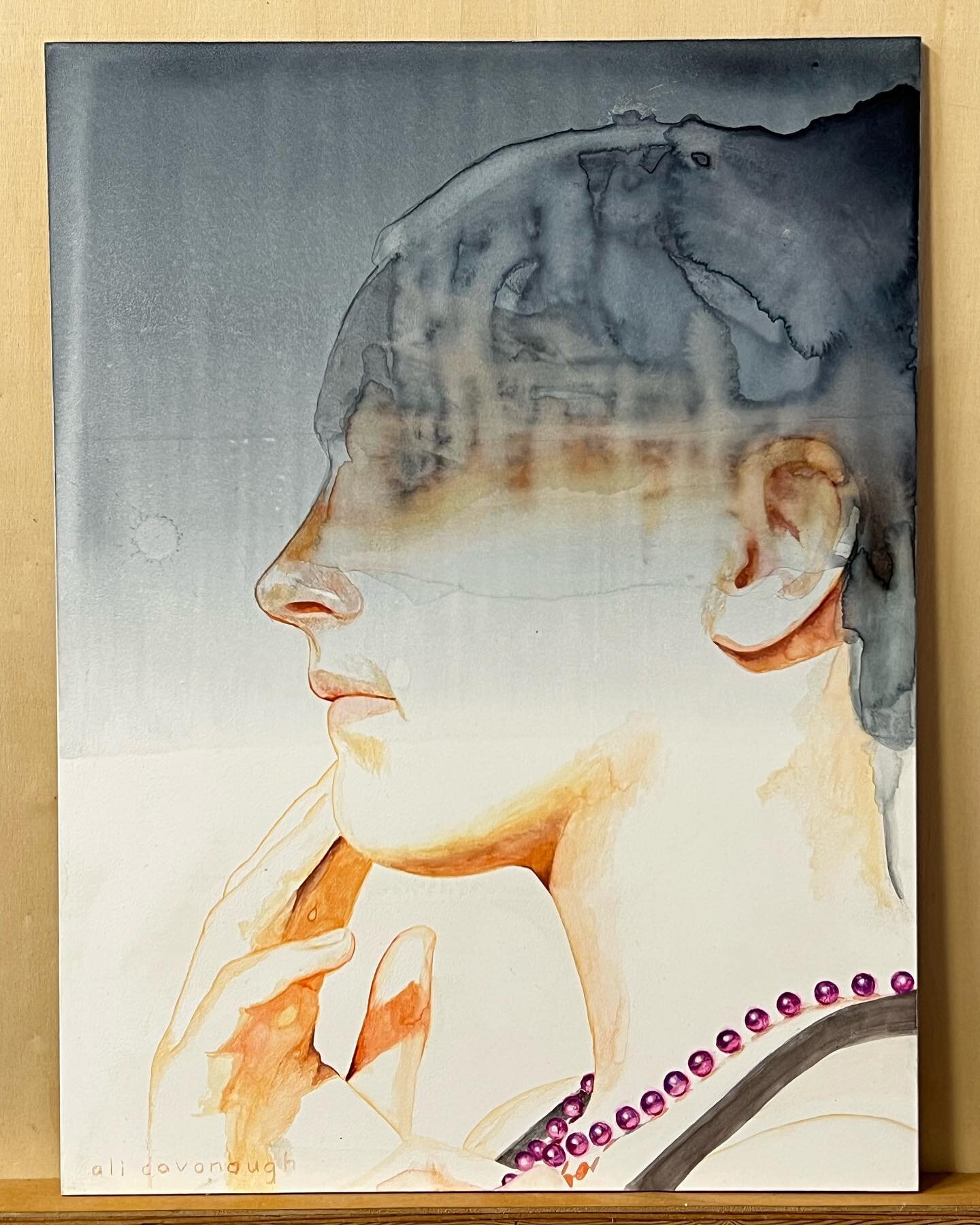
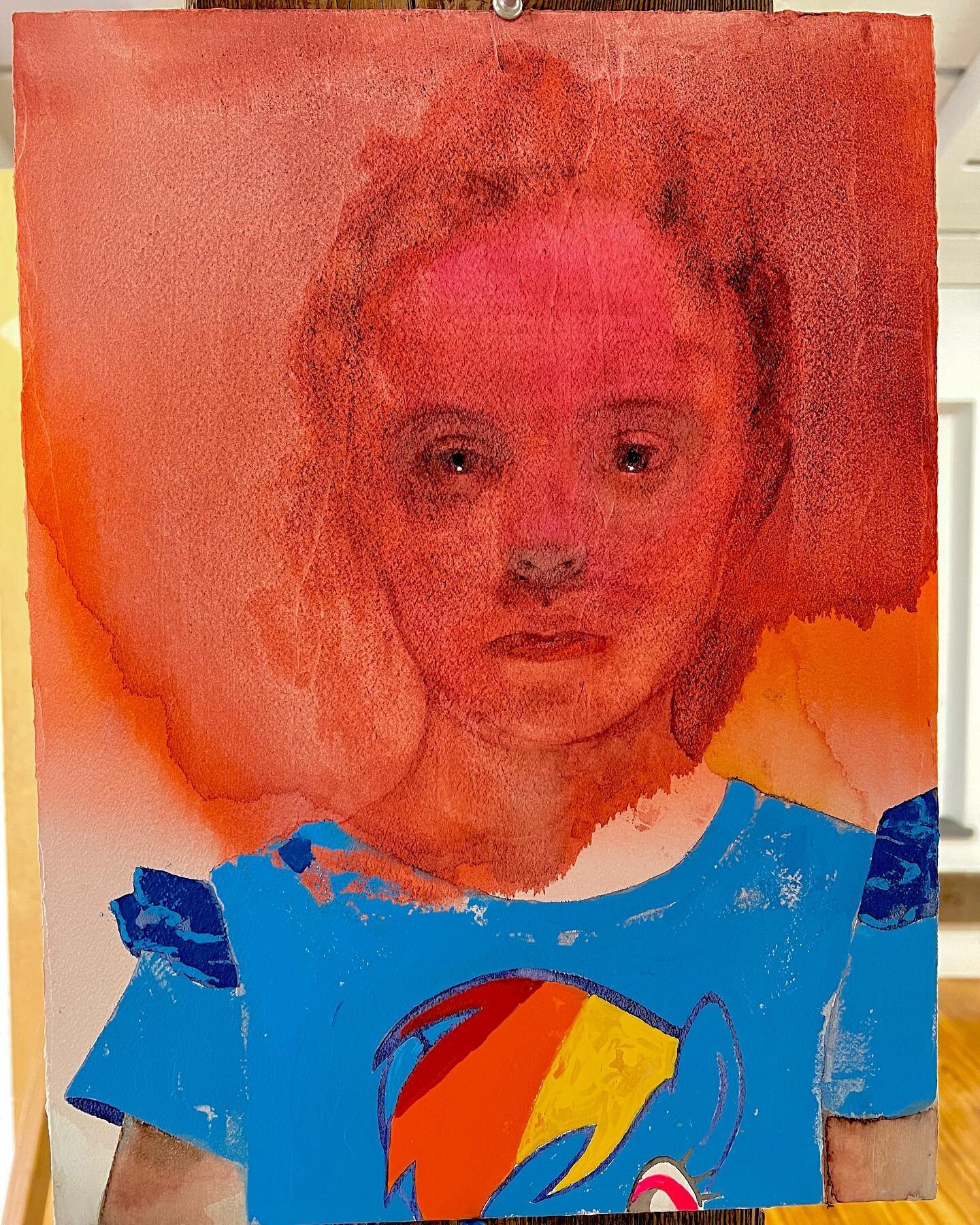
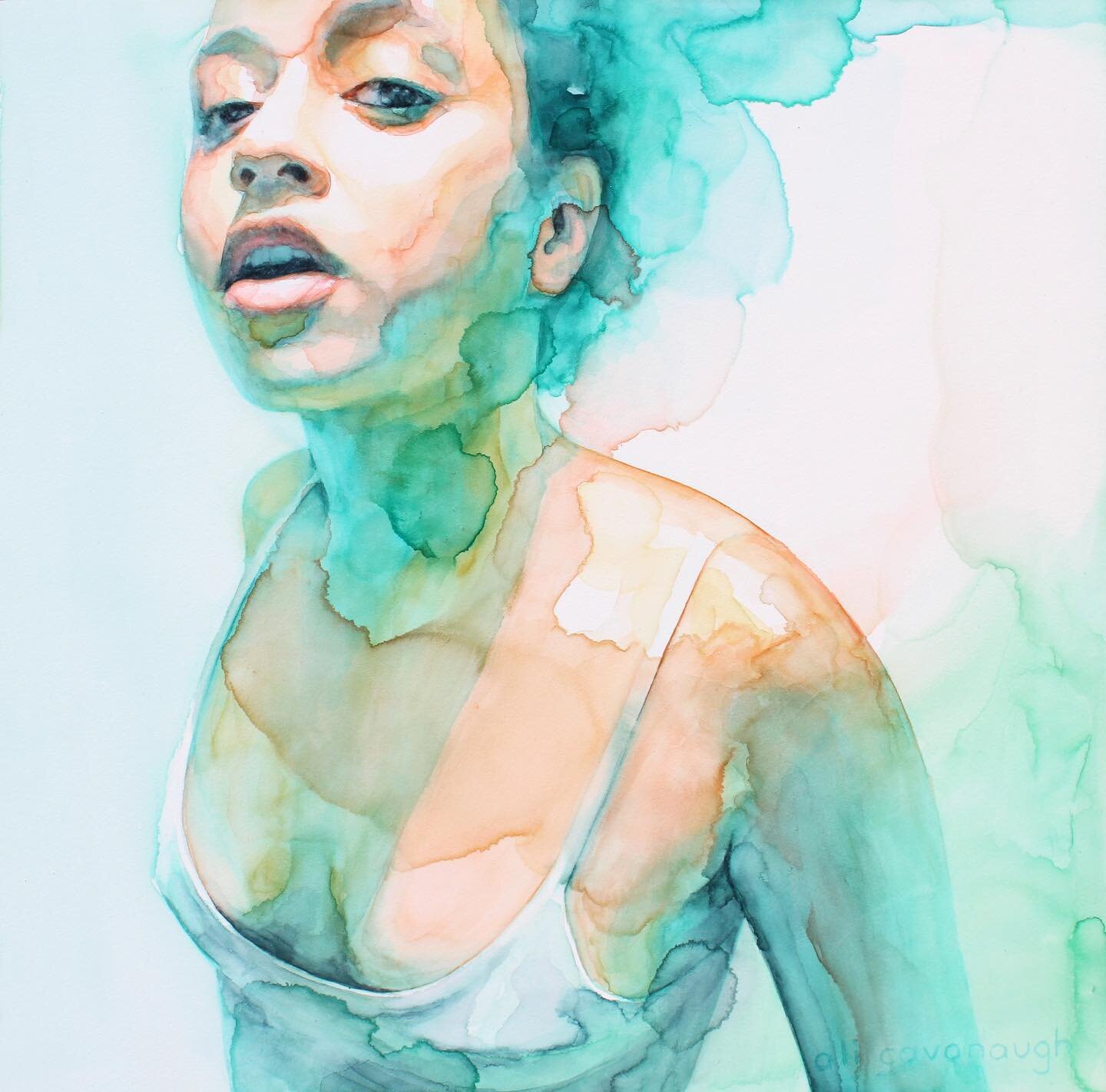
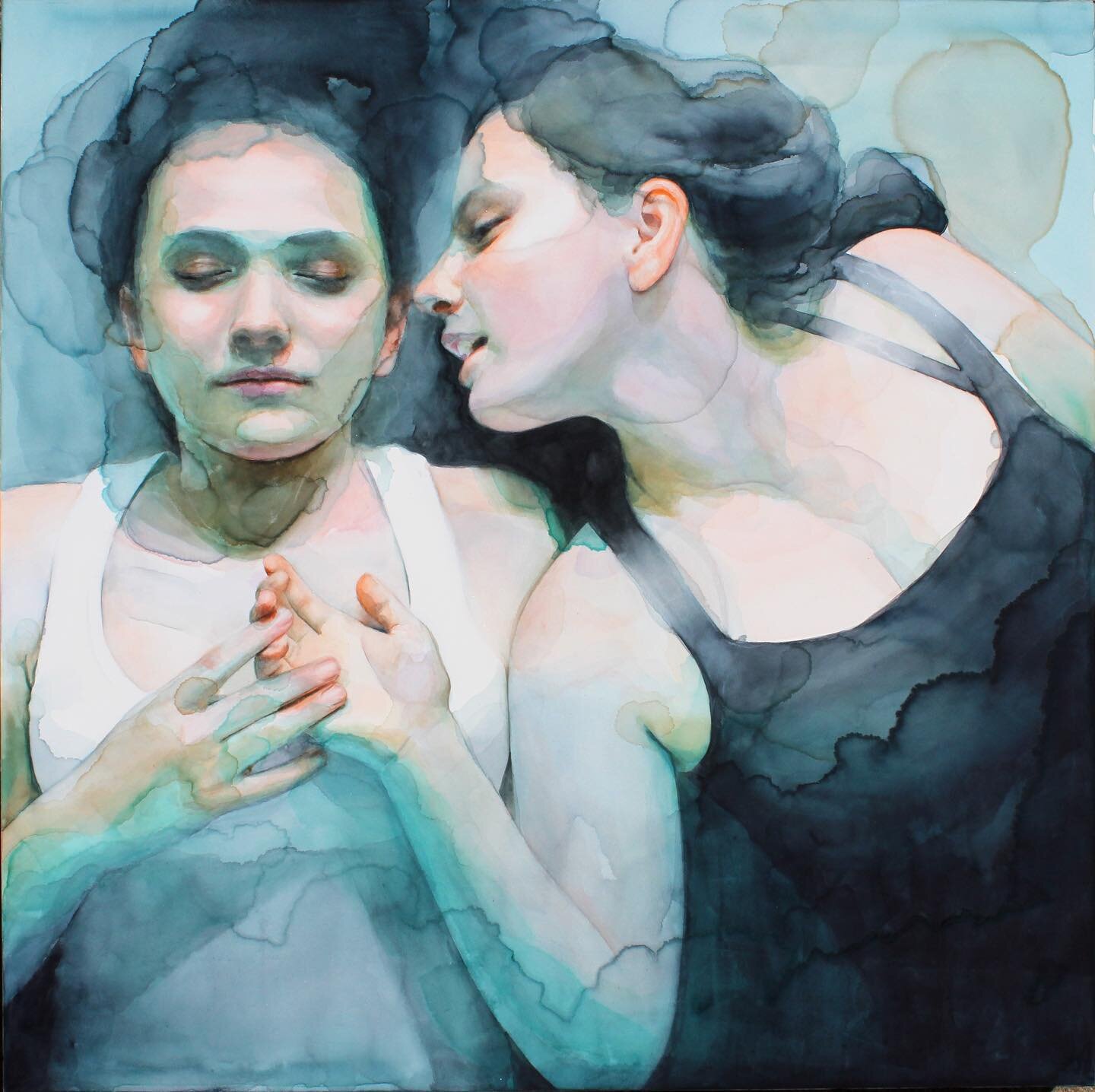
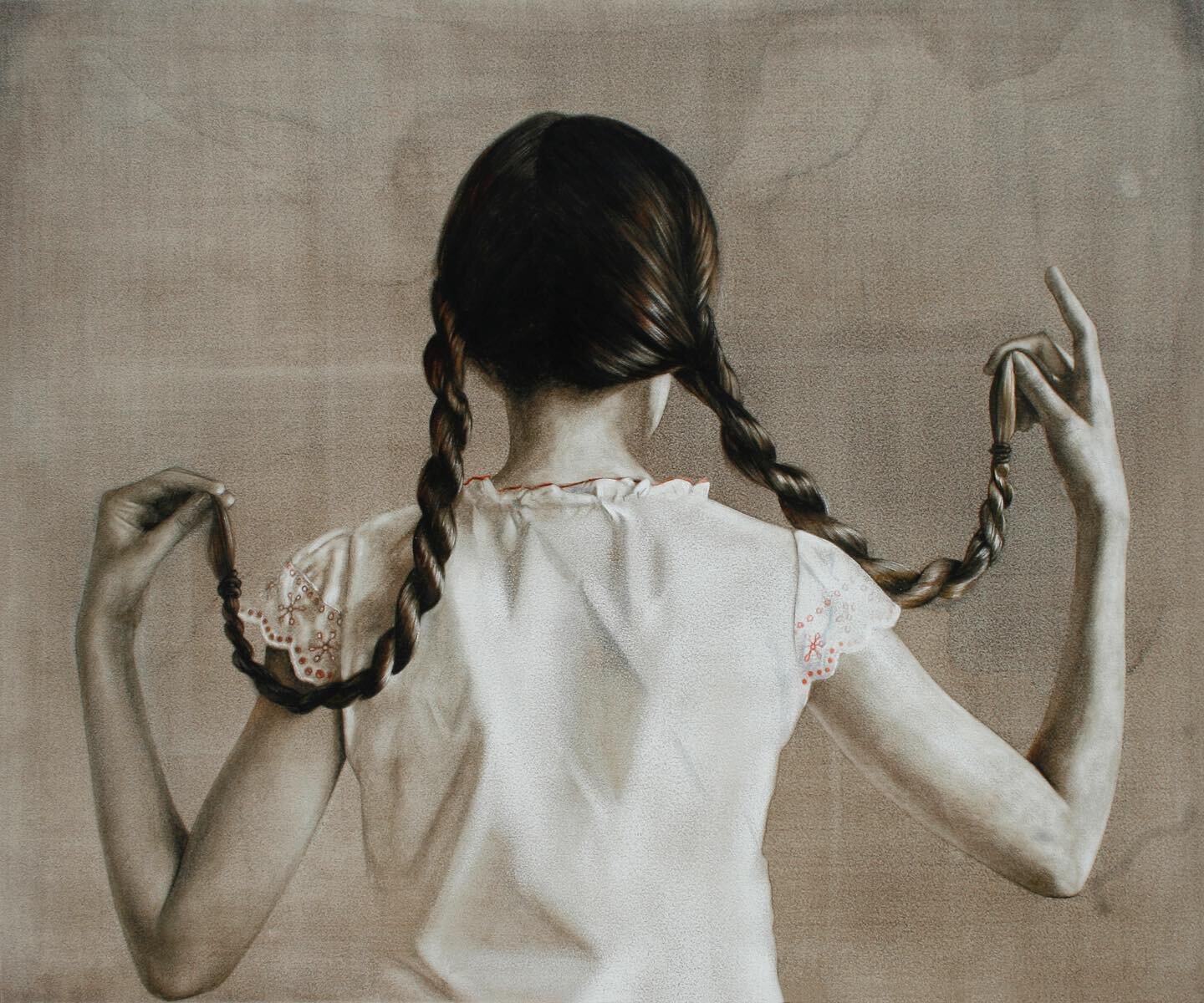
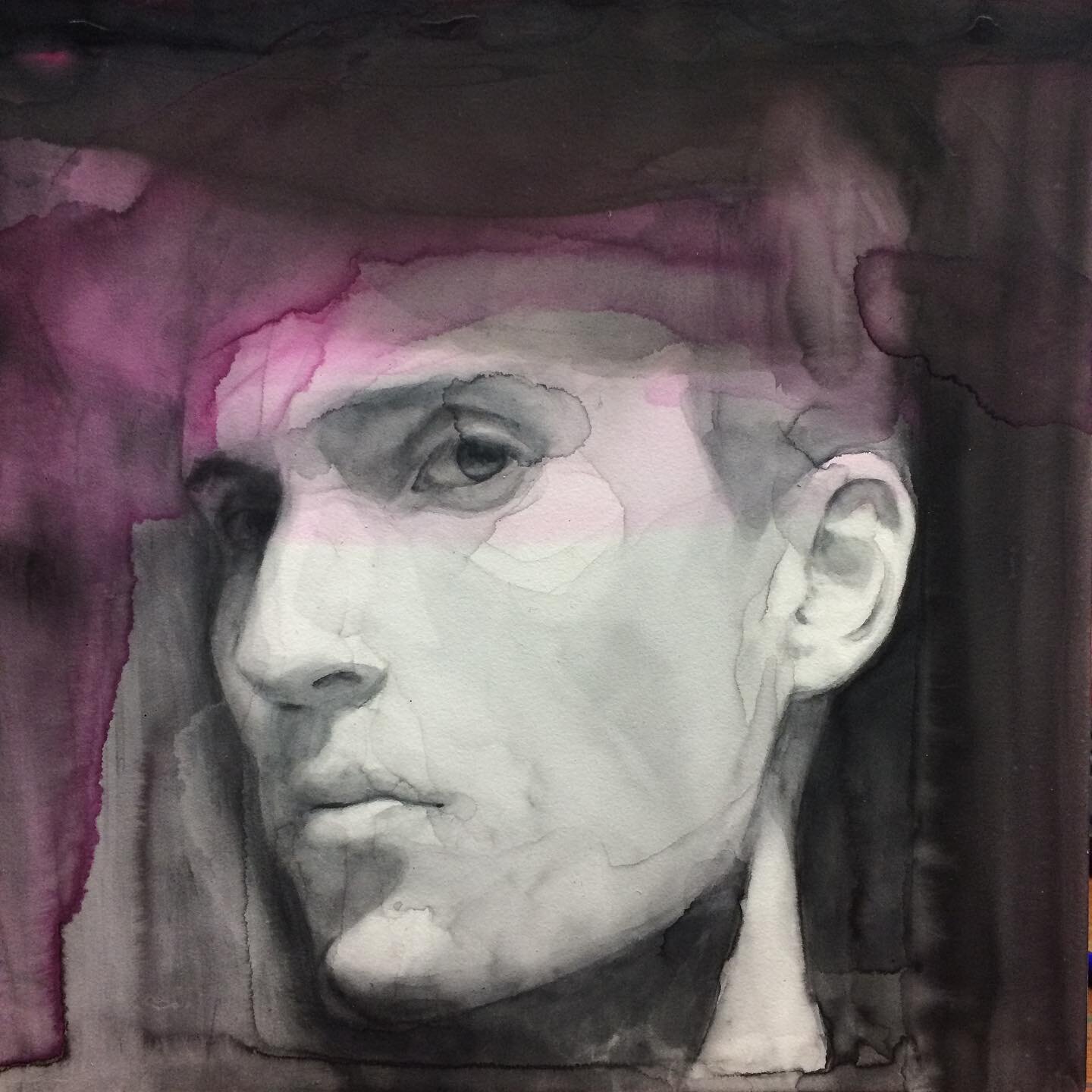
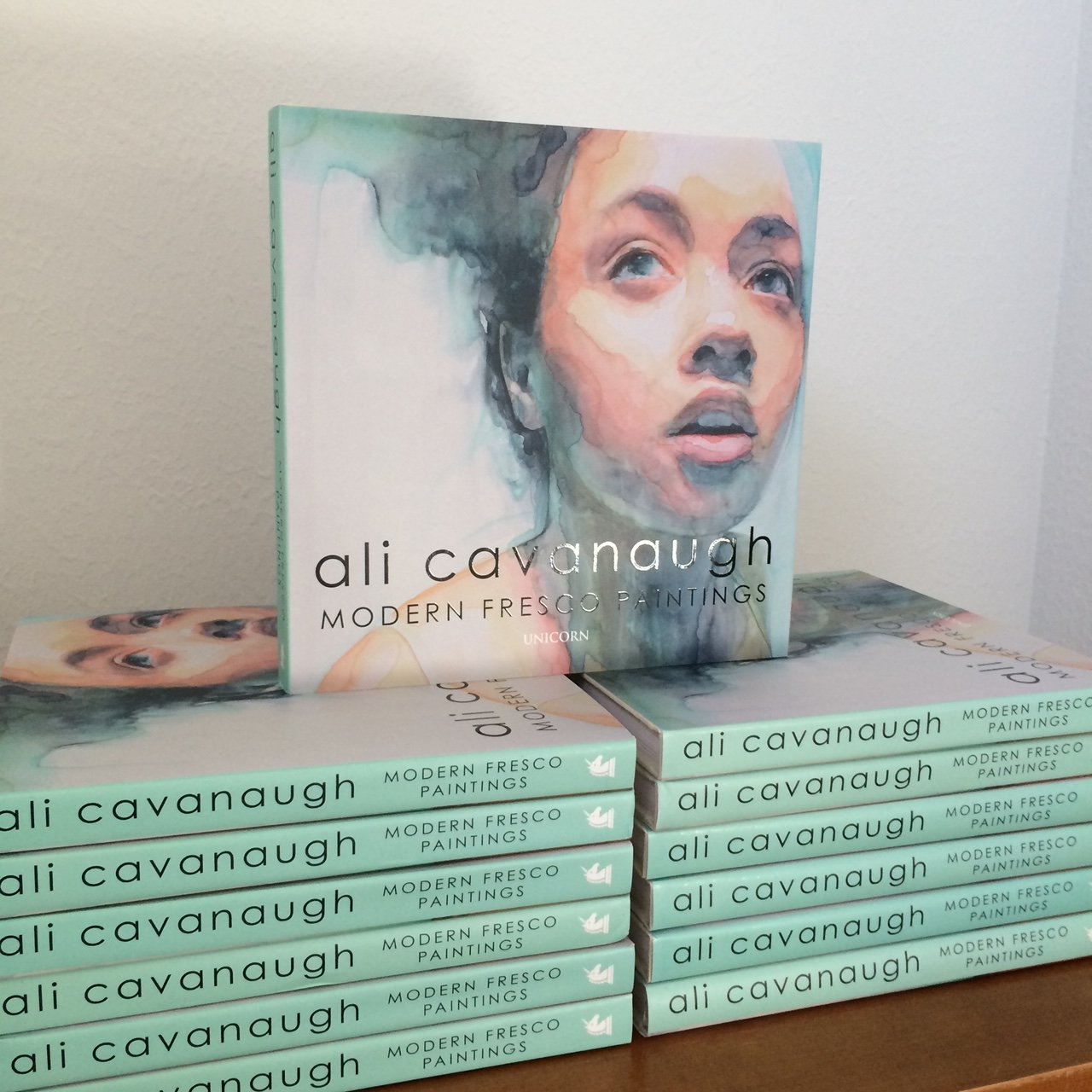
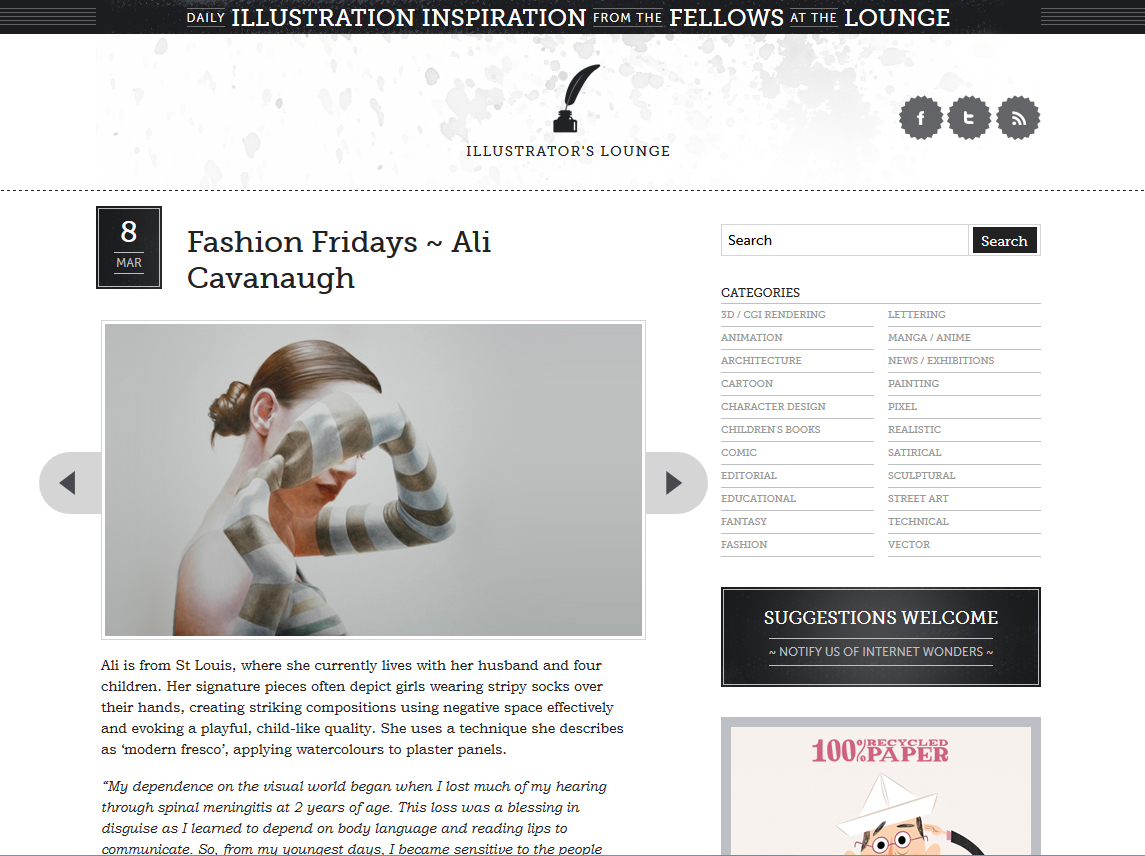
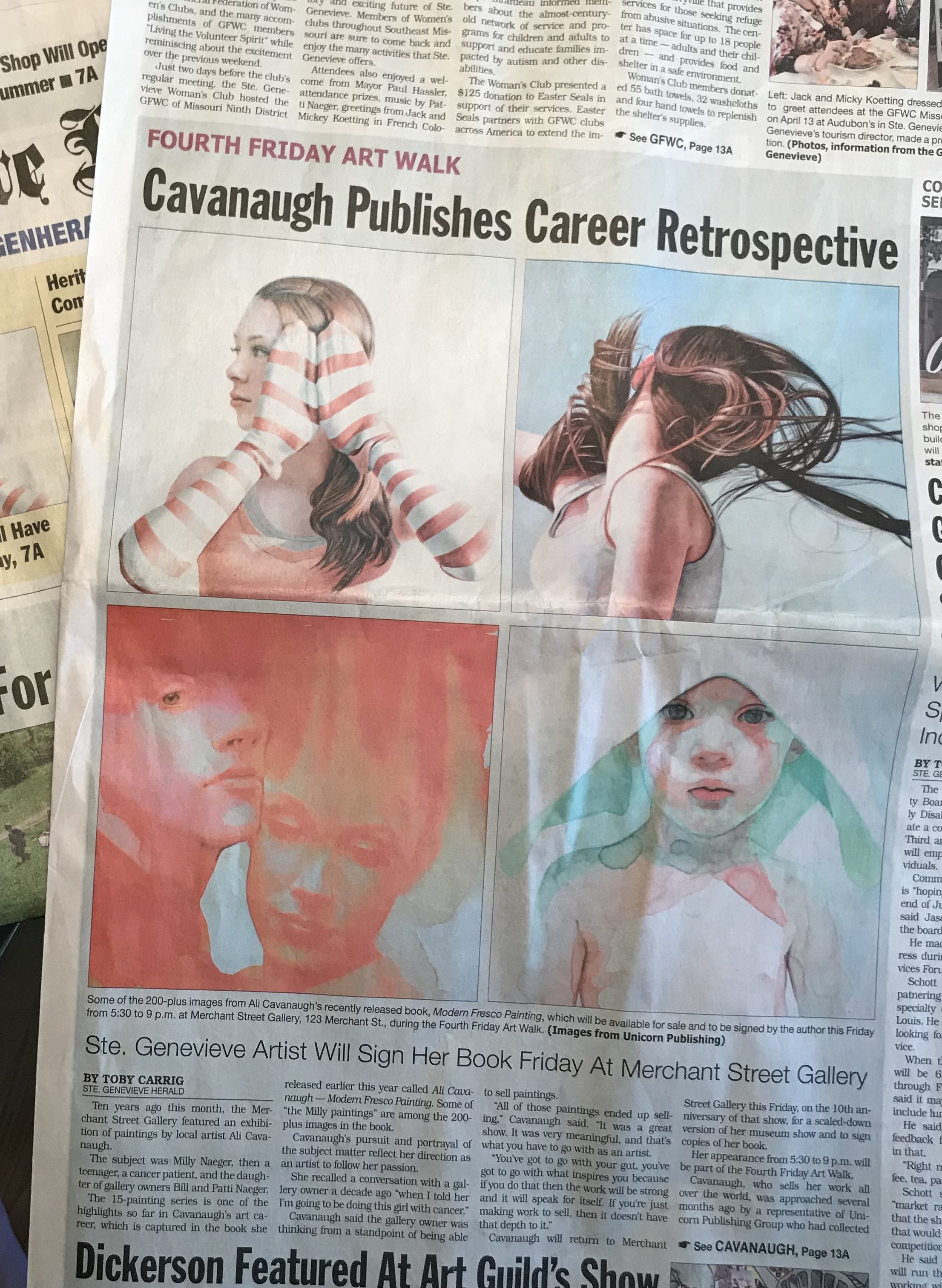
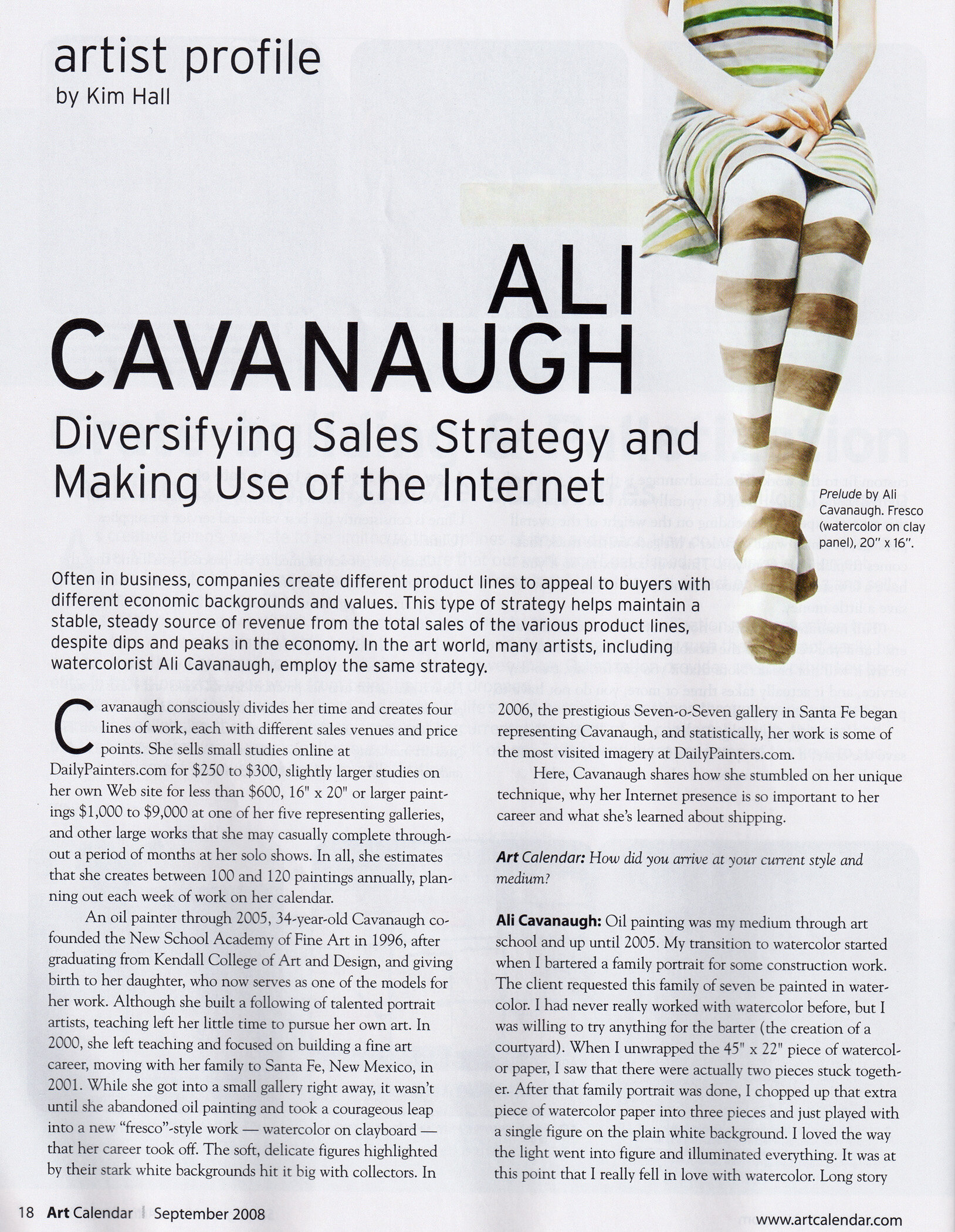
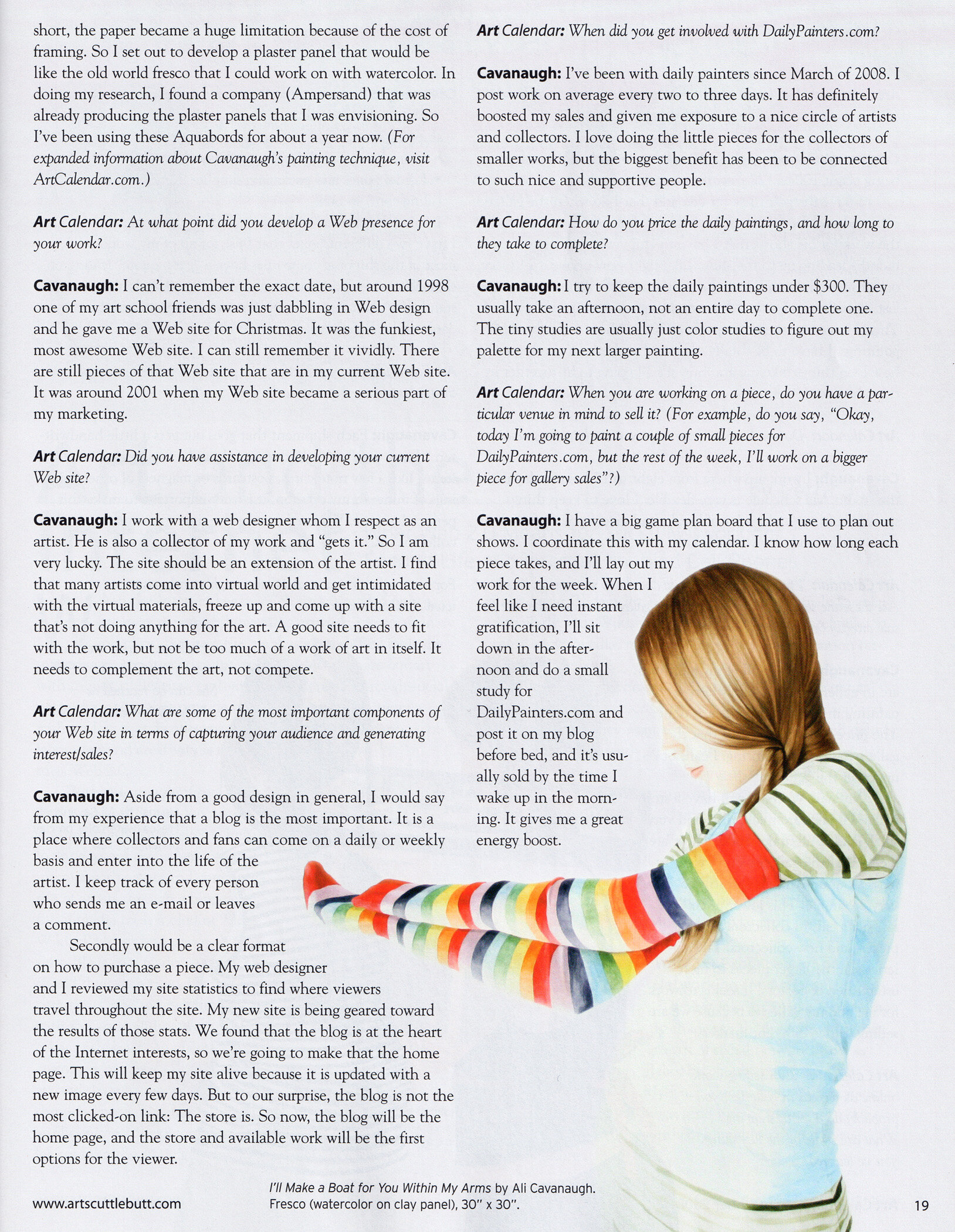
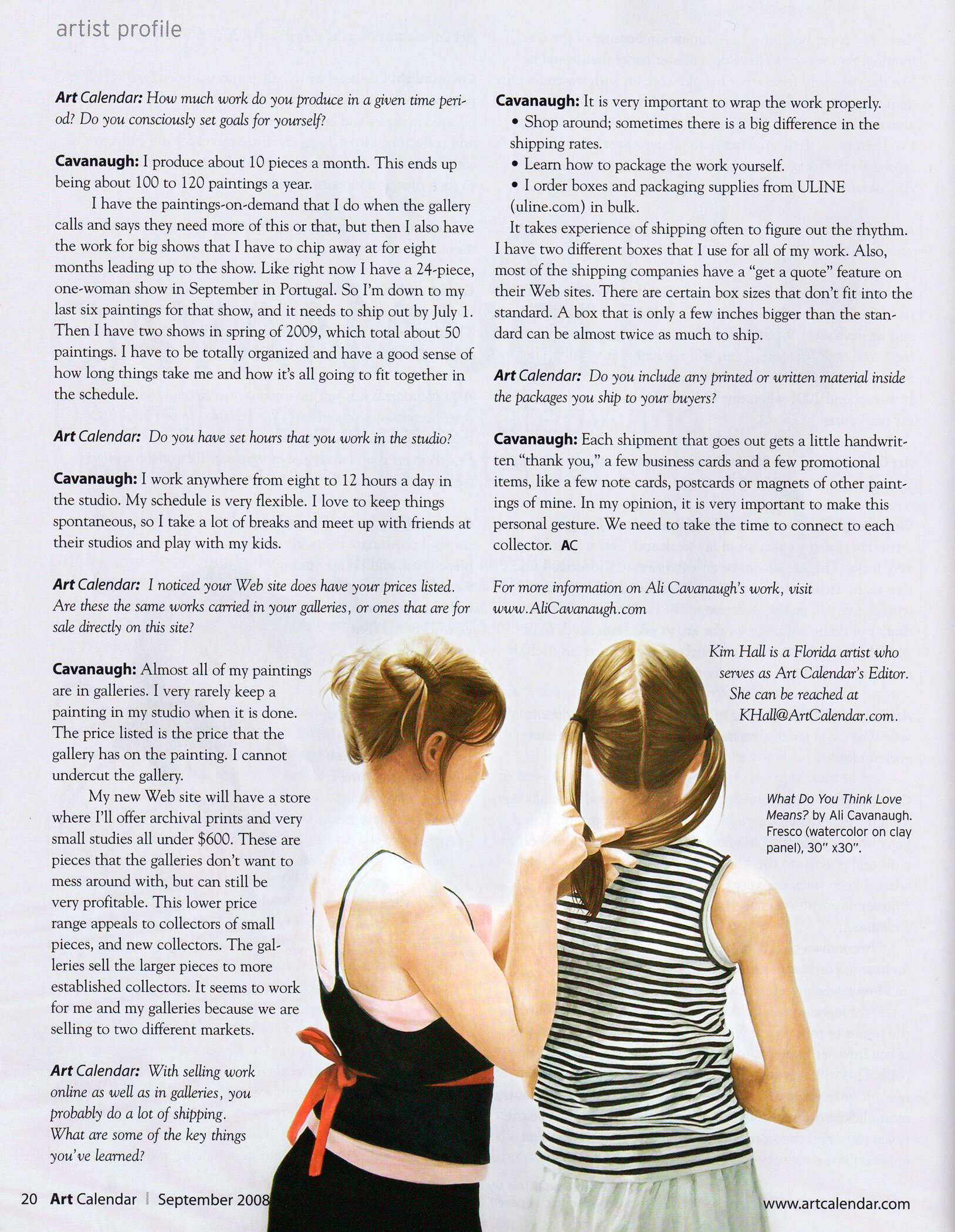
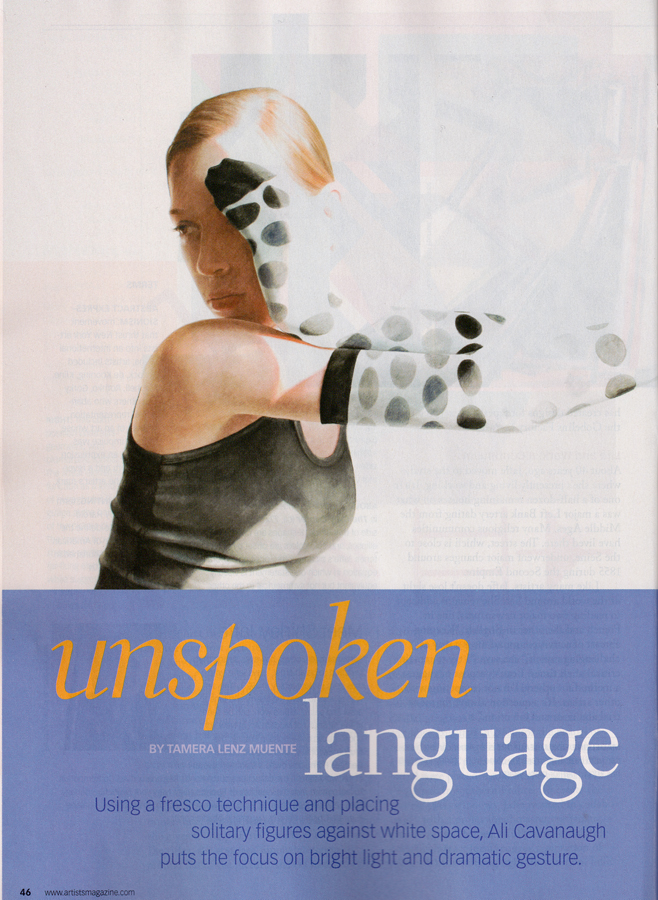
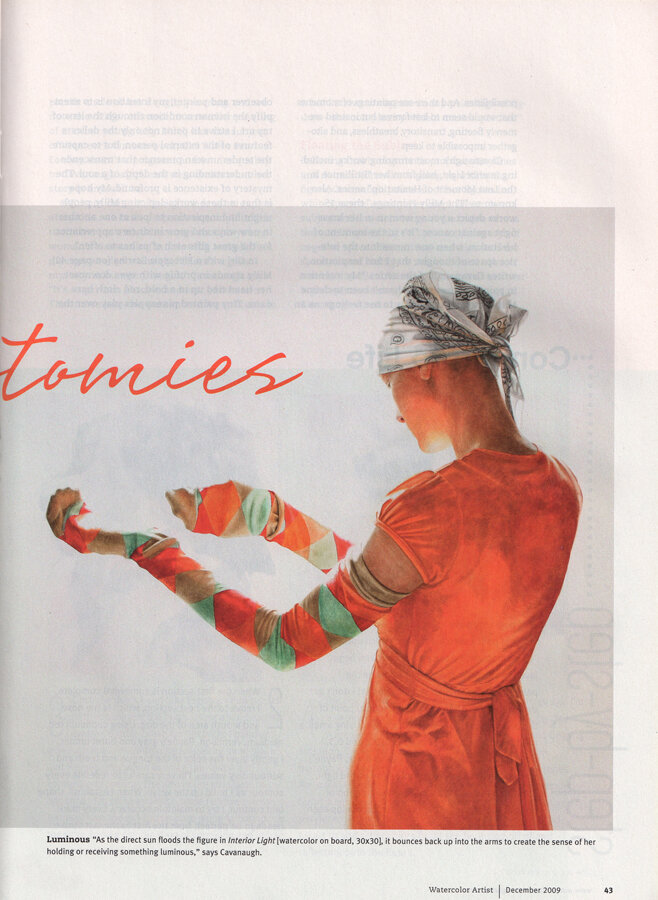
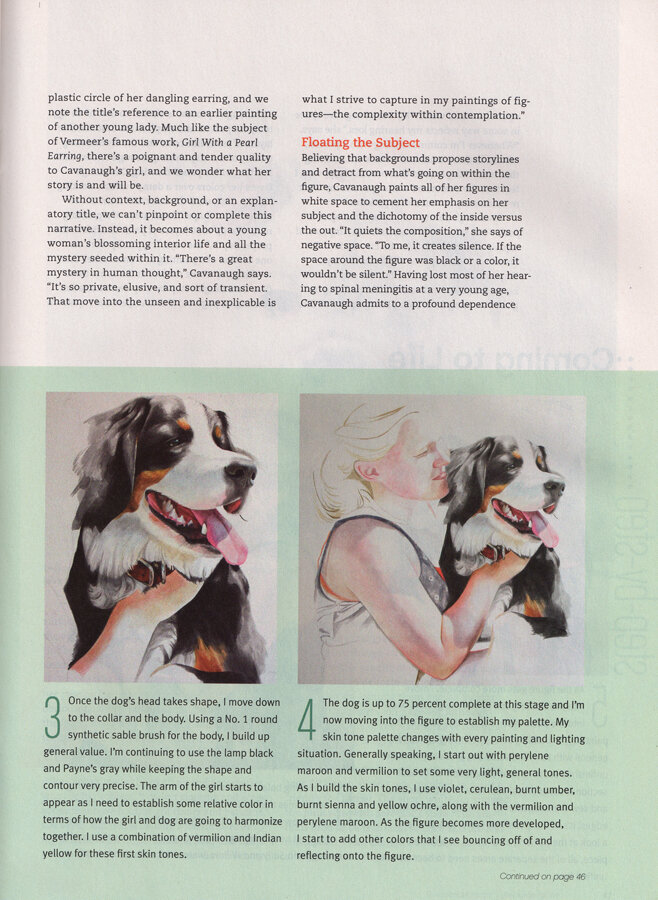
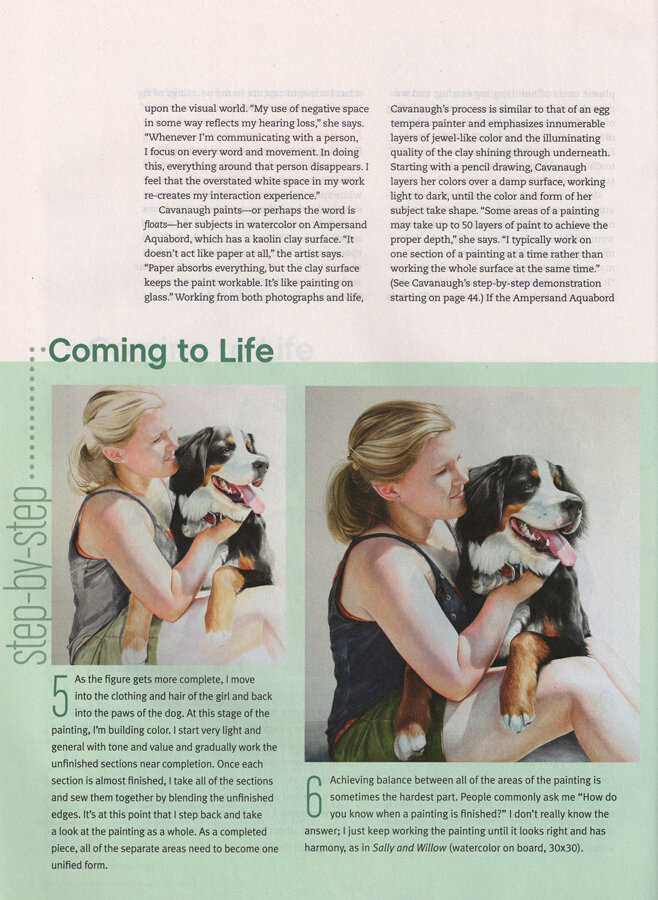
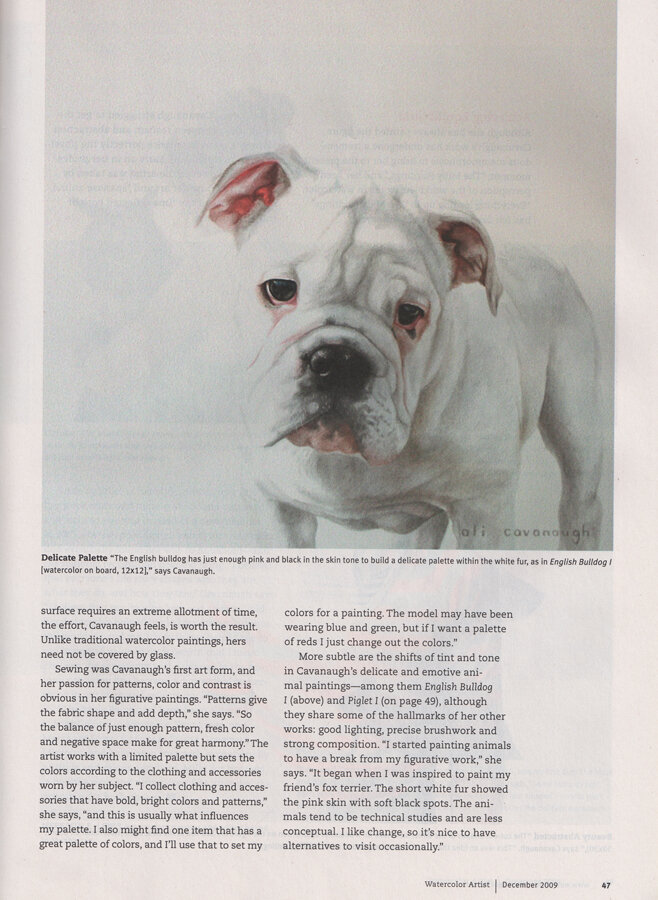
“Modern Fresco Paintings is the first collection of Ali Cavanaugh’s paintings, and it follows her entire career using watercolor on kaolin clay to create her modern fresco technique and the lovely work that flows from it. Beginning with her hyper-realistic portraits and ending with her latest, more free-flowing pictures, her use of light, color, and the human form captures the essence of her models and their forms and feelings in a particular moment.
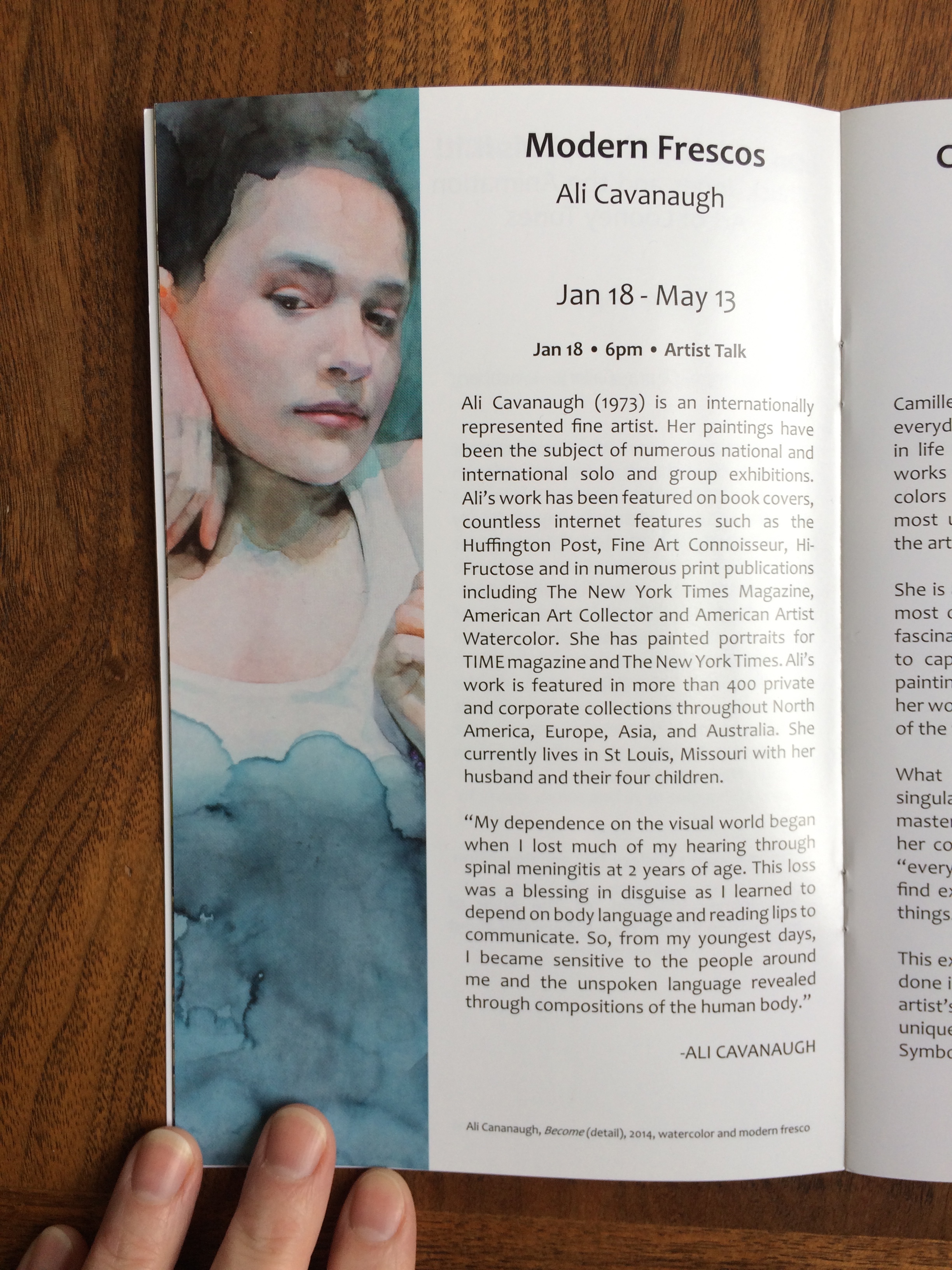
Cavanaugh’s artistic sensibility was developed by two important events in her childhood. Her dependence on the visual world began when she lost much of her hearing through spinal meningitis when she was two, and her creative spirit developed out of her being raised in a rural environment where she had to create her own ways of expressing herself and making her own fun.
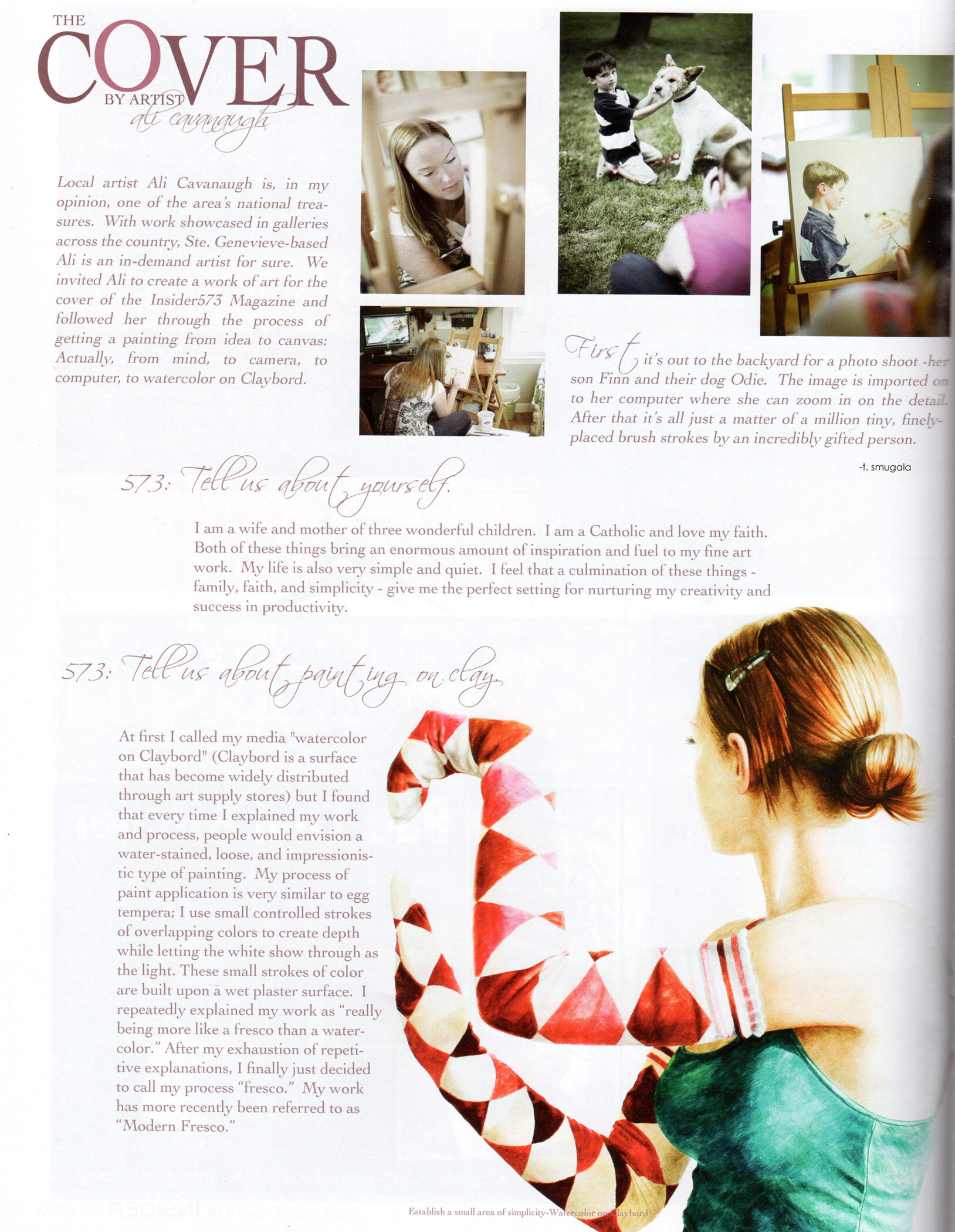
She developed her stunning modern fresco medium almost by accident as she was learning to apply the outer layer of plaster to her home in Santa Fe, New Mexico. This volume illustrates her growth as an artist and her mastery of the technique.
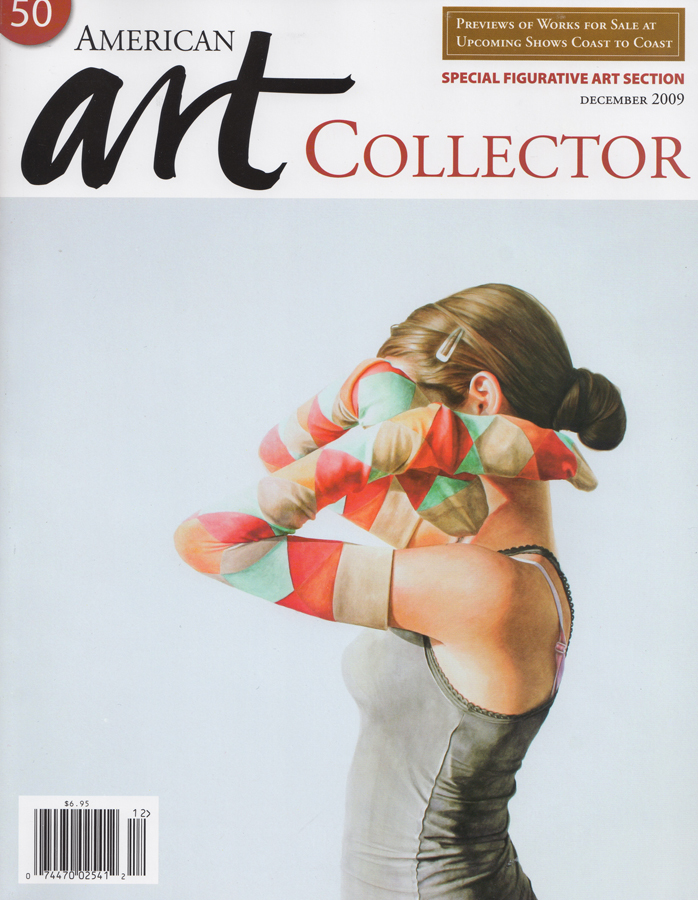
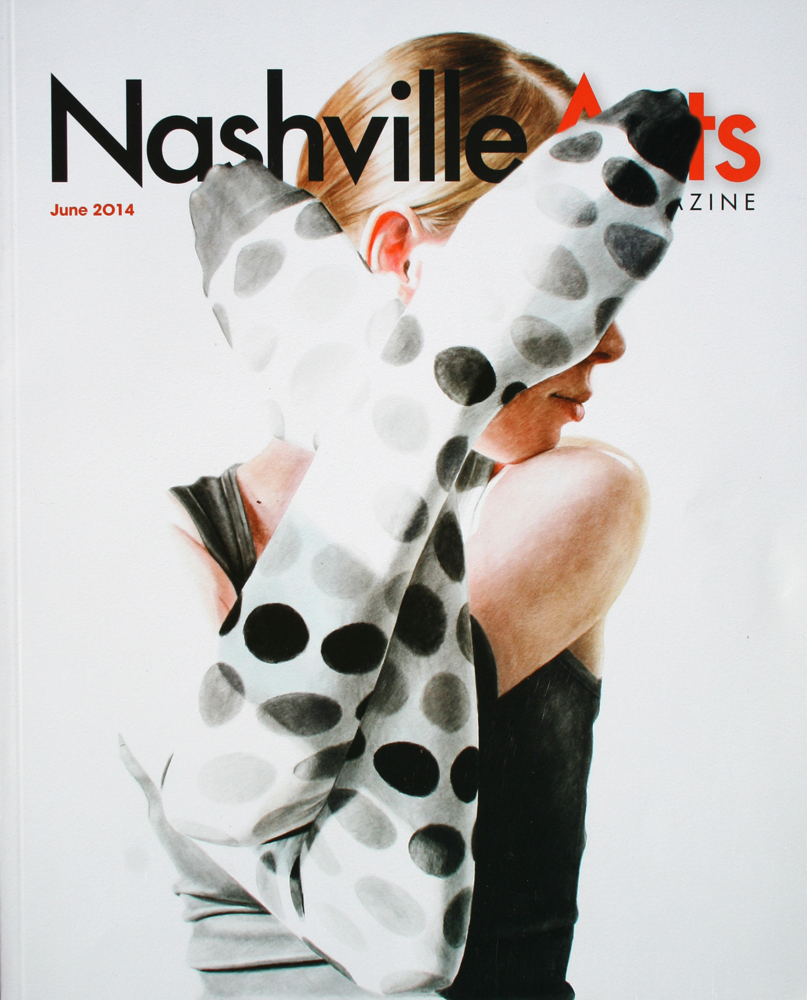
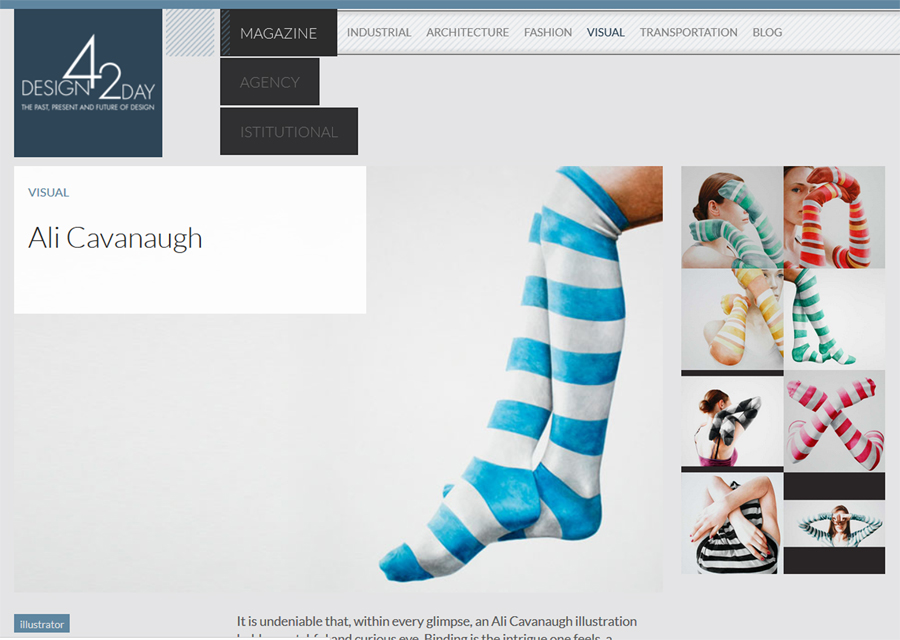
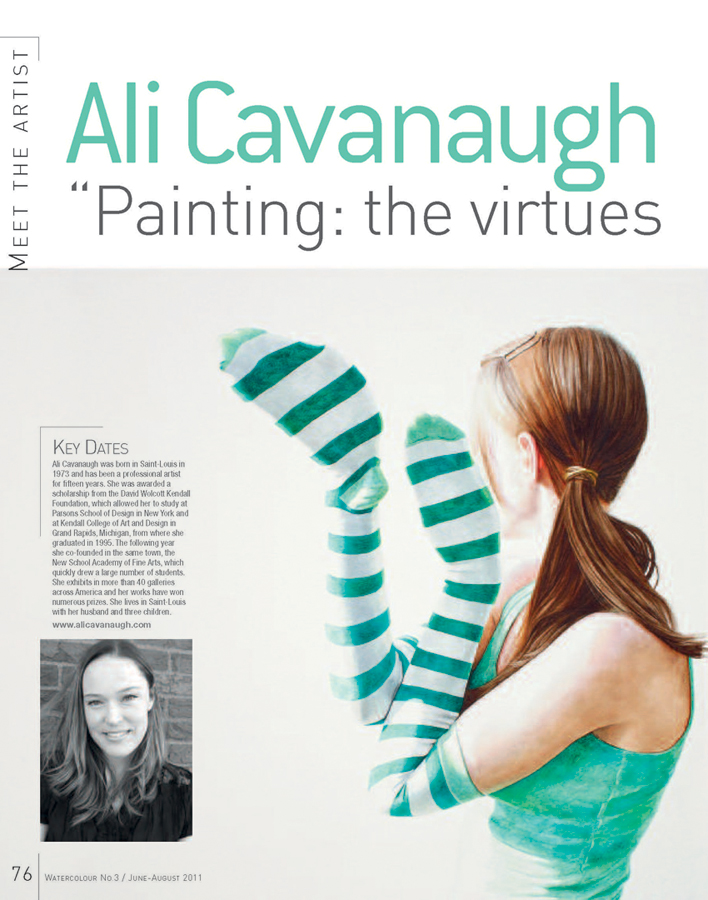
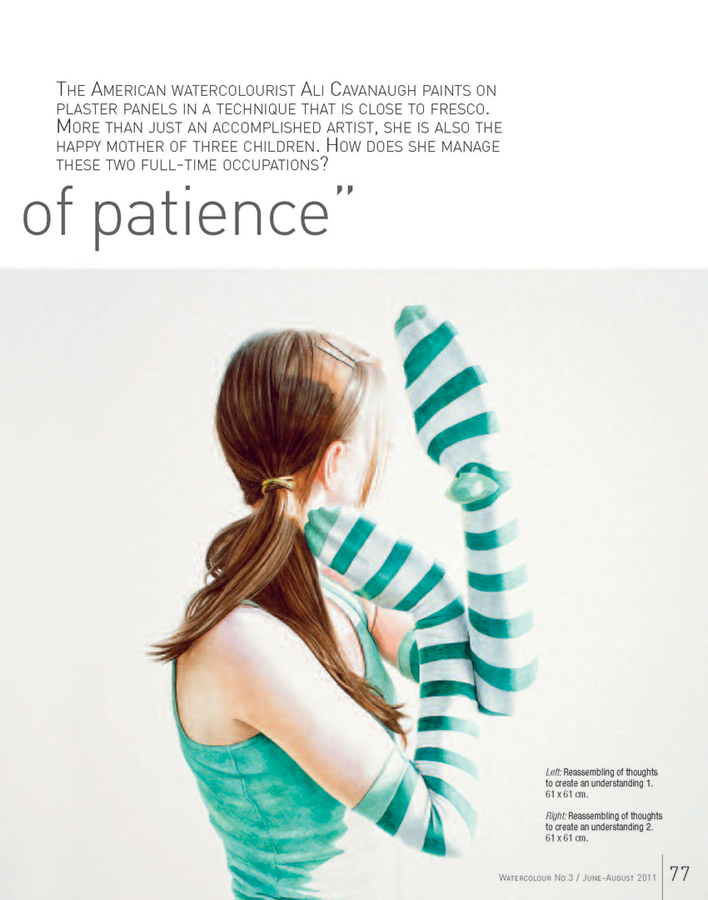
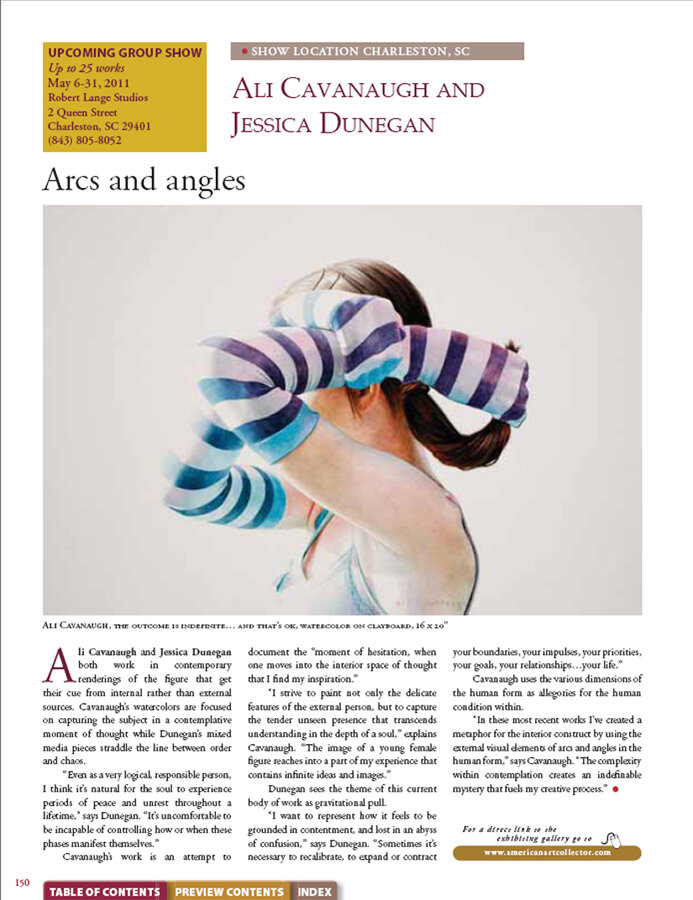
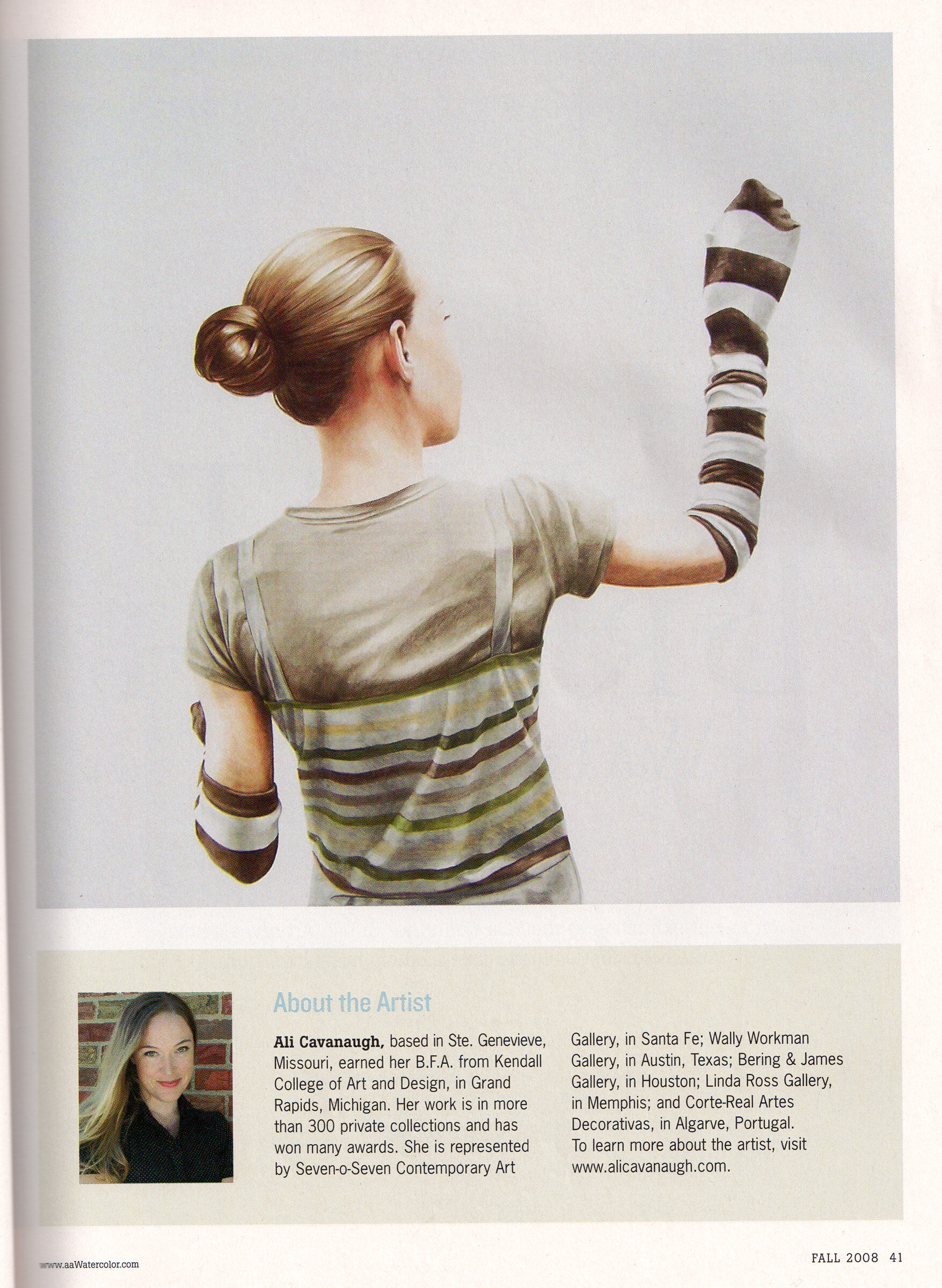
These are lovely works, painted masterfully. Both long-time followers of Cavanaugh’s work---from the earliest “Sock Arms” paintings to those who found her through more recent work like the Chroma series---and those who are discovering her and her art for the first time, will be delighted by this collection.” -Strand Bookstore, New York
Ali on PBS